Shopping note: We discuss what to look for, rather than claim hands-on testing. Current shopping links are ordinary retailer links. Affiliate disclosure.
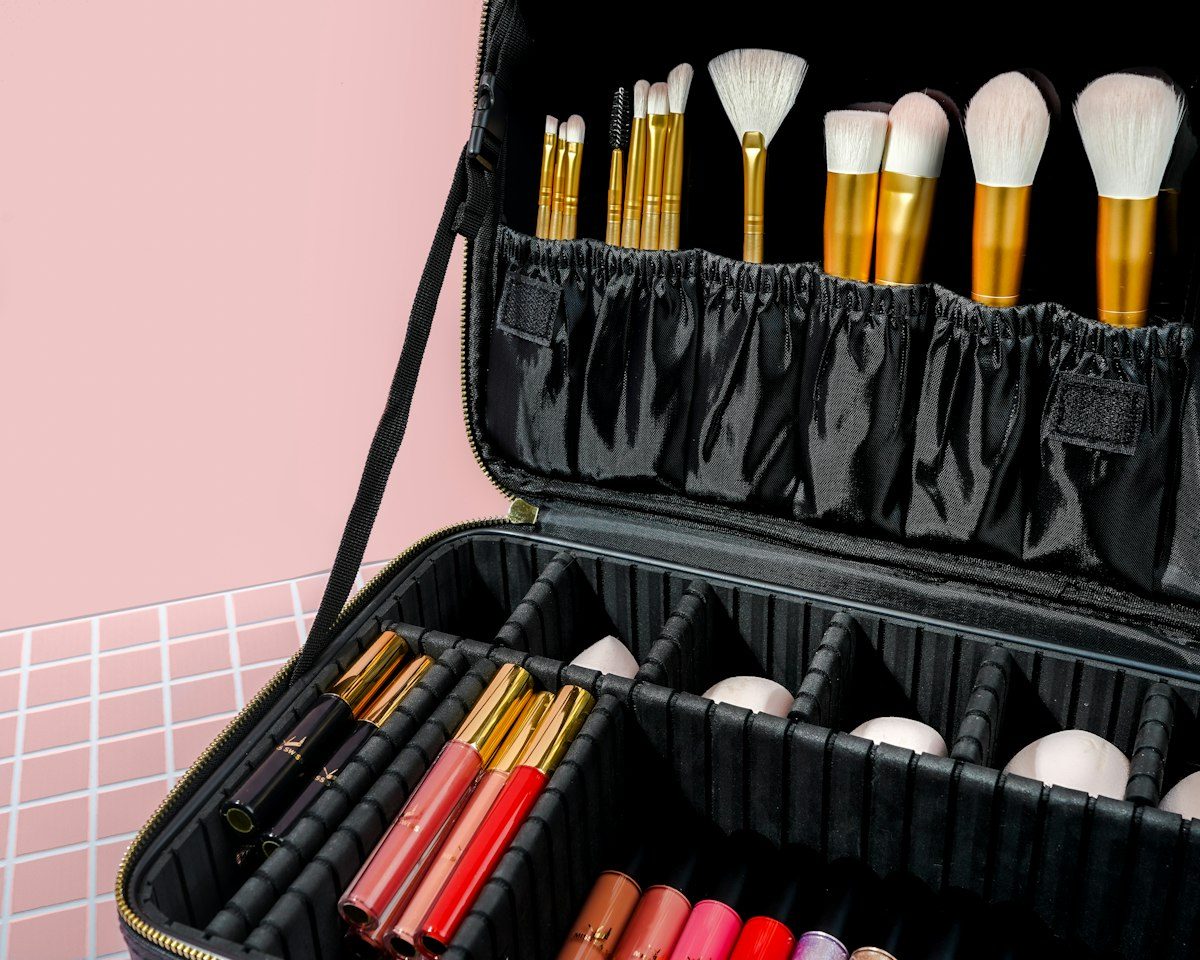
A full brush case can make a small beauty routine look incomplete. Several similar tools stand upright in a neat row, each apparently deserving its own place. Before choosing the set, count the useful shapes rather than only the total number. The right comparison begins with the tasks already part of the routine and the actual tools included, not with the visual satisfaction of filling every space in an organiser.
Read the included-tool list
Identify what the selected set actually supplies. A case, several brushes and other cosmetics may appear together without belonging to the same offer. Keep the selected version and quantity clear rather than assuming that the largest gallery arrangement describes every available option.
Use the product's own names and intended functions as the starting point. A photograph can show a visible head shape without establishing its materials, dimensions or appropriate use. Do not assign a technical purpose solely from resemblance to another tool.
Compare tasks before quantities
List the ordinary tasks the person actually wants the tools to serve. A set with several overlapping shapes may add less useful variety than the count suggests. Another tool can still be welcome, but its role should be deliberate rather than invented to justify the purchase.
Keep personal suitability and product compatibility questions with reliable relevant information. This article does not determine which cosmetic or tool is appropriate for a particular person. An existing routine provides context without making every familiar item universally suitable.
Distinguish duplicates from useful alternatives
Two tools can look similar while being described differently, or carry different names while serving overlapping tasks in one person's routine. Keep the actual product information beside your own task list. Avoid declaring them interchangeable without supporting information.
If a particular missing function is the reason for shopping, check whether the set actually addresses it. A large collection does not resolve an unanswered question about the one brush that matters. It may be more useful to clarify that question before comparing bundle sizes.
Include care and storage as real requirements
Read the appropriate care information for the actual tools. More brushes also mean more items to handle and store according to their requirements. A display photograph does not establish that every tool can be cleaned or kept in the same way.
Look at the case as a separate component where relevant. Compartments pictured full may not be appropriate for every owned tool, and the organiser may not be supplied with all versions. Keep its dimensions and intended operation distinct from the brush count.
Keep the final choice modest
Record the included shapes, the tasks they would serve and any unresolved product question. If the set adds several tools without a clear role, acknowledge that rather than calling the extra count a benefit automatically. A considered brush purchase supports an actual routine, leaving the photograph's orderly abundance as presentation rather than a definition of what a useful makeup collection must contain.
Related reading
A Sponge Inventory before Adding Another Applicator, A Five-Minute Makeup Bag for Busy Mornings.
Published and last updated December 1, 2021. Send an editorial correction.