Shopping note: We discuss what to look for, rather than claim hands-on testing. Current shopping links are ordinary retailer links. Affiliate disclosure.
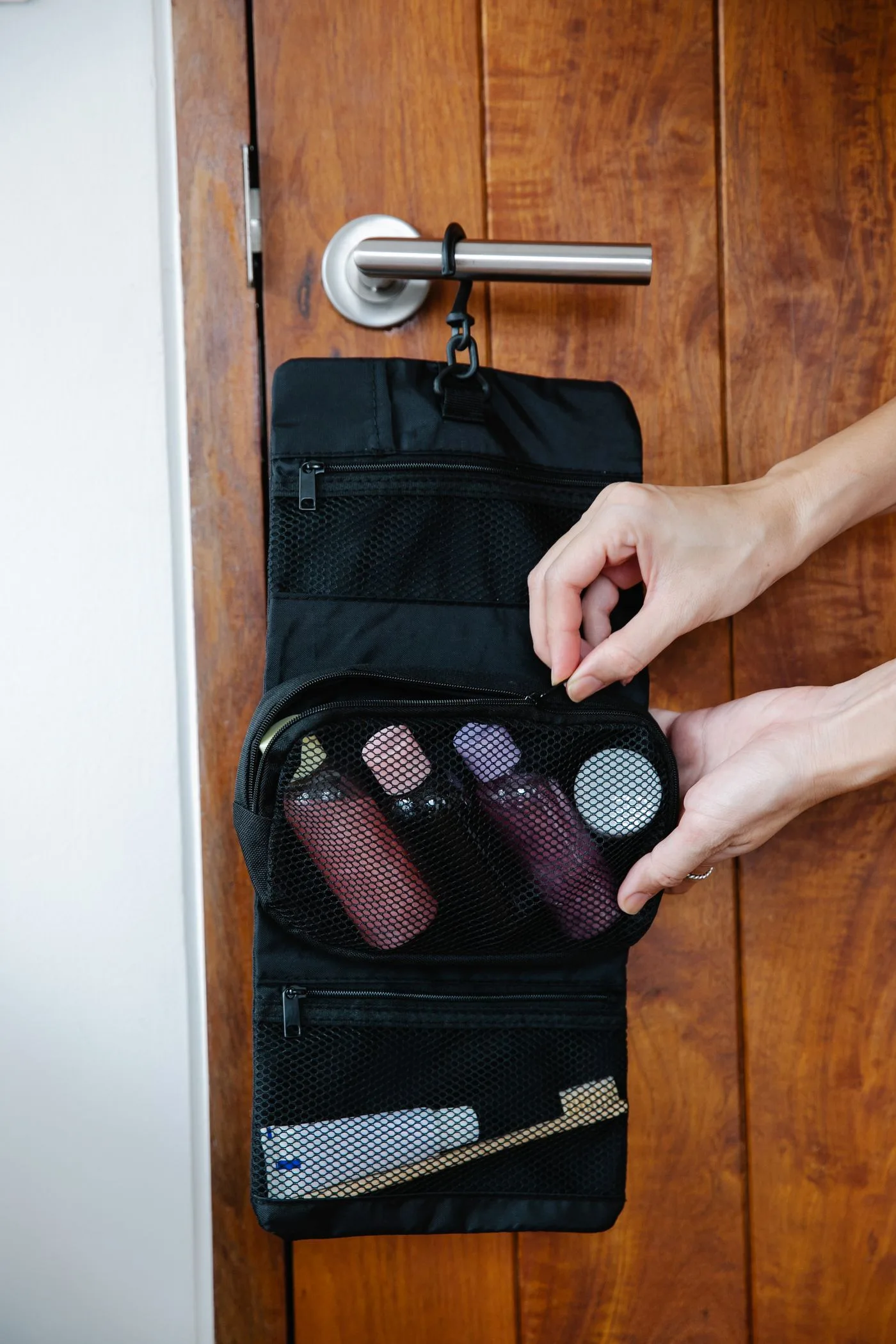
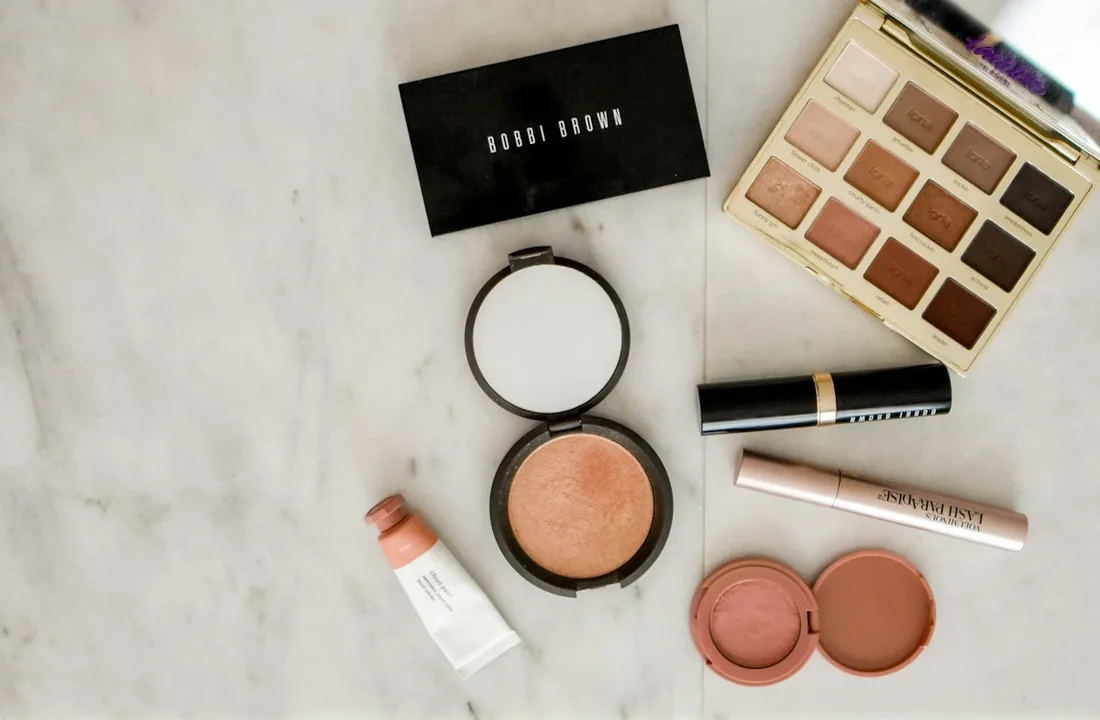
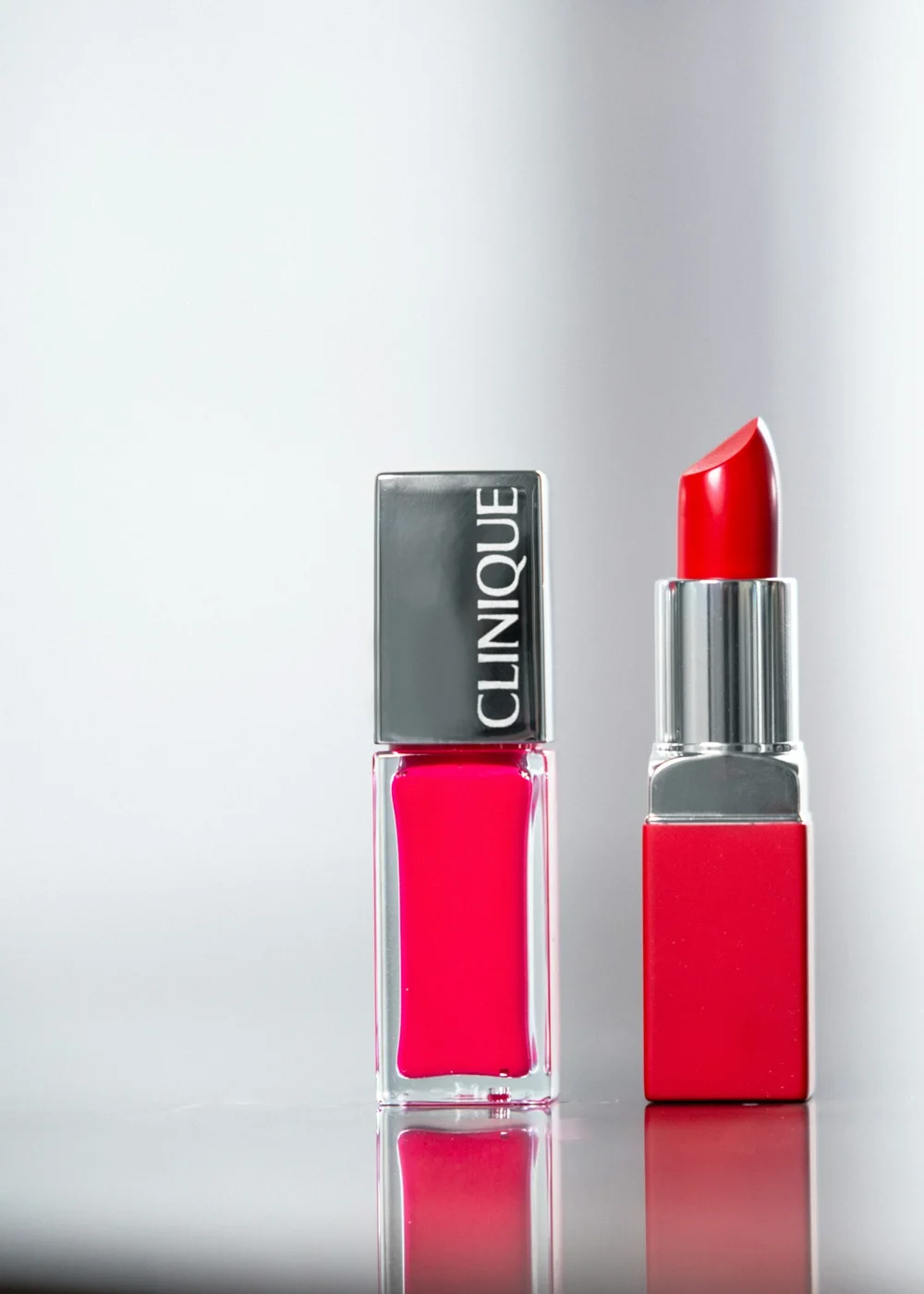
A lipstick edit is partly about shades and partly about the containers that travel with them. A cap that needs more clearance, a wide case or an unreadable label can make a small pouch less convenient. Begin with familiar products and the role each serves in your actual routine. Follow each product's use and storage instructions rather than organising solely by how neatly the cases stand in a photograph.
Separate use from collecting options
Choose the products you genuinely reach for during the week. Keep the exact shade and version identifiable so a future replacement does not rely on memory. Several similar colours may be enjoyable, but they may not all need to travel every day. Define the pouch's job before choosing how many cases it should accommodate.
Look at product information and known condition when deciding what remains in use. Do not assume that a decorative case or a nearly full product establishes suitability. Follow the maker's guidance and ask about uncertainty for the exact product. Keep anonymous or questionable items out of the active routine until their identity and appropriate use are clear.
Test closure without forcing it
Use the cap and mechanism as intended. Check that each product can be closed properly before placing it in the pouch. Avoid compressing a cap beneath other objects or relying on the pouch zip to hold something shut. A suitable closure should work independently of the bag containing it.
Compare the space needed to remove and return the case. A pouch can be large enough by volume yet awkwardly shaped for several rigid objects. Try the complete daily group, leaving reasonable room for normal handling. If every item must be placed in a precise order, decide whether that effort suits the way you use the routine.
Keep labels readable
Store products so you can identify the intended one without opening every case. A simple arrangement may be enough; there is no need to cover original information with a new labelling system. Retain relevant packaging details where useful. Avoid decanting formulas merely to make the collection look uniform or to fit an undersized container.
If a travel pouch also carries pencils or other tools, separate items appropriately and follow their guidance. Do not let a loose accessory press against a cap or scrape a delicate finish. Check the pouch's care instructions and keep it ready for use rather than allowing old residue or unidentified contents to accumulate.
Review the actual daily selection
After a normal week, notice which product was useful and which stayed packed without a clear role. Adjust the carried group while keeping the wider collection stored appropriately. A smaller active edit can make selection easier without requiring you to buy a new version of every favourite.
Should the pouch fit the whole collection?
Only if that is its intended purpose. A daily bag can hold a small useful selection while other products remain in suitable storage at home.
See a five-minute makeup bag and travel toiletries to decide what belongs in the active group.
Published and last updated October 12, 2026. Send an editorial correction.