Shopping note: We discuss what to look for, rather than claim hands-on testing. Current shopping links are ordinary retailer links. Affiliate disclosure.
Think in hours of sitting
A long-flight outfit has to work well before and after the aircraft. There may be a warm ride to the airport, a cool terminal, several hours seated and a different climate on arrival. Start with comfort through those transitions rather than choosing a matching set because it looks convenient. Sit in the complete outfit at home, including the waistband and layers you plan to wear. Clothes that feel easy for a few standing minutes can become restrictive during a long seated journey.
Choose familiar pieces whenever possible. A travel day is an inconvenient time to discover that a new neckline slips, a trouser seam rubs or a shoe presses at the toes. For a departure from New York, consider the outdoor weather as well as the destination. Your airport outfit should cover the actual journey between home and the terminal.
Give each layer a clear job
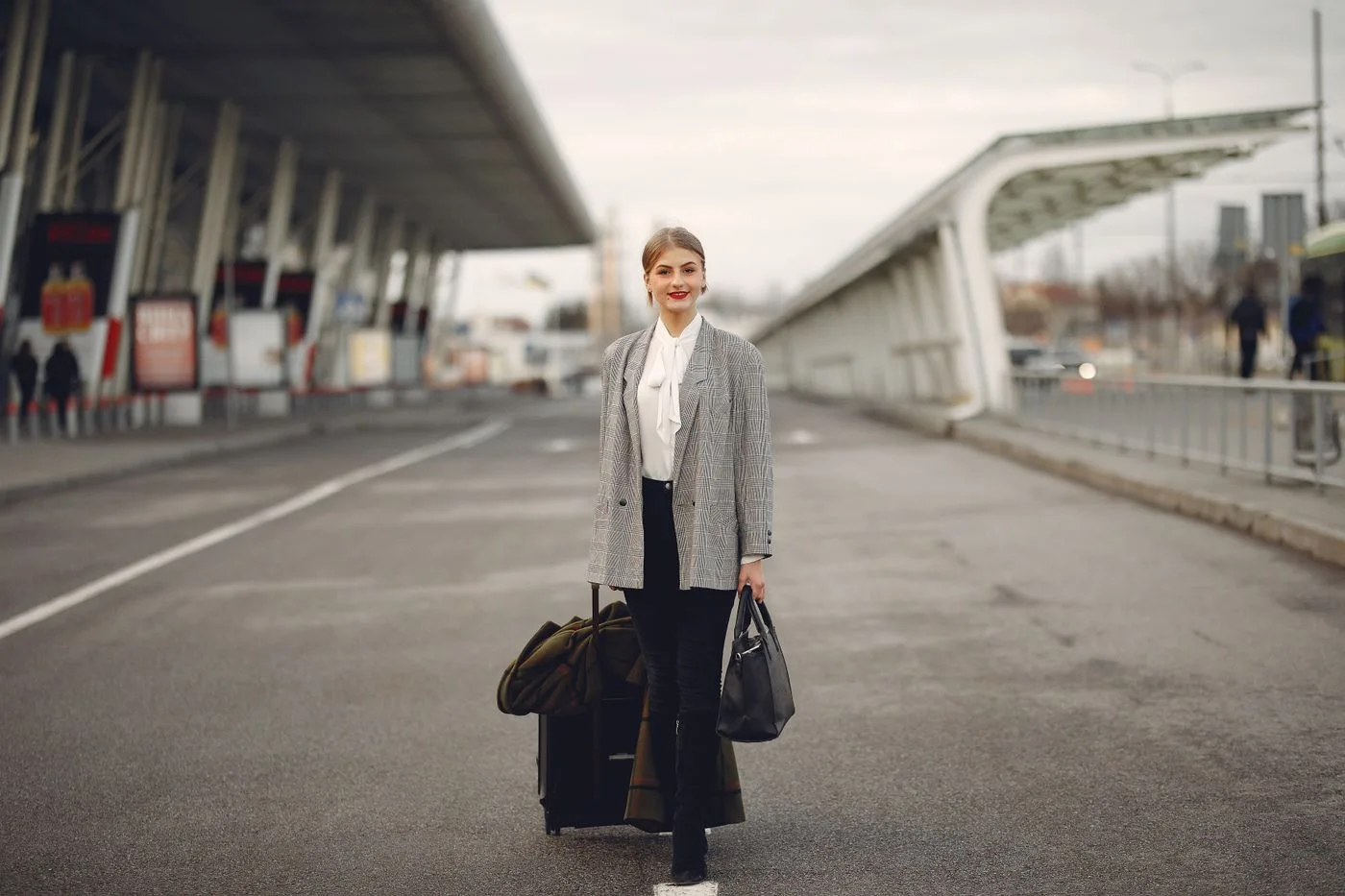
A comfortable base top, a removable middle layer and an outer layer suitable for the ground journey provide useful flexibility. The middle layer should be easy to remove without unpacking half the bag. Try a cardigan, soft overshirt or familiar knit, depending on your preferences. If a scarf is part of the plan, make sure it feels comfortable against your skin and is manageable in the seat. Avoid adding several bulky layers that are all doing the same job.
Check how sleeves and collars stack. A tight cuff over another cuff can become irritating, while a large hood may feel awkward against the seat. Pockets can help with small items, but overfilling them may make sitting uncomfortable. Put objects back into a secure bag before settling in rather than relying on clothing pockets to store everything for the flight.
Choose footwear for the whole route
Wear shoes you can walk in comfortably and manage easily during any required airport procedures. Allow room for your usual socks and avoid a pair that already feels tight during a home fitting. The distance through a terminal can be substantial, especially with a connection. Keep footwear on when moving around shared travel spaces, and follow the airline's instructions. This is a clothing guide, not medical advice about circulation or other travel health concerns.
If you have a medical reason to use particular garments or travel accessories, follow advice from an appropriate clinician rather than a general style recommendation. For ordinary wardrobe planning, the useful test is simple: can you walk, sit and adjust the outfit without pain or repeated fuss? A polished appearance can come from a coherent color palette and tidy layers rather than restrictive clothes.
Separate clothing needs from shopping impulses
Unfashionable but familiar trousers may serve a flight better than a new travel-specific set. Before buying, try your existing knitwear and relaxed trousers together. Uniqlo, Everlane and Quince offer places to compare simple layers if there is a genuine gap. Check the current composition, waistband construction and care instructions. A garment described as travel-friendly still needs to suit your body, temperature preferences and laundry routine.
Prioritize the piece that resolves the clearest problem. If the current cardigan is too bulky to pack, compare lighter middle layers. If the waistband becomes uncomfortable when seated, focus on trouser construction instead of buying another top. Review return conditions and complete an allowed indoor trial. Budget for a garment that also has a role after the trip, so the purchase is useful beyond one departure date.
Keep the arrival outfit within reach
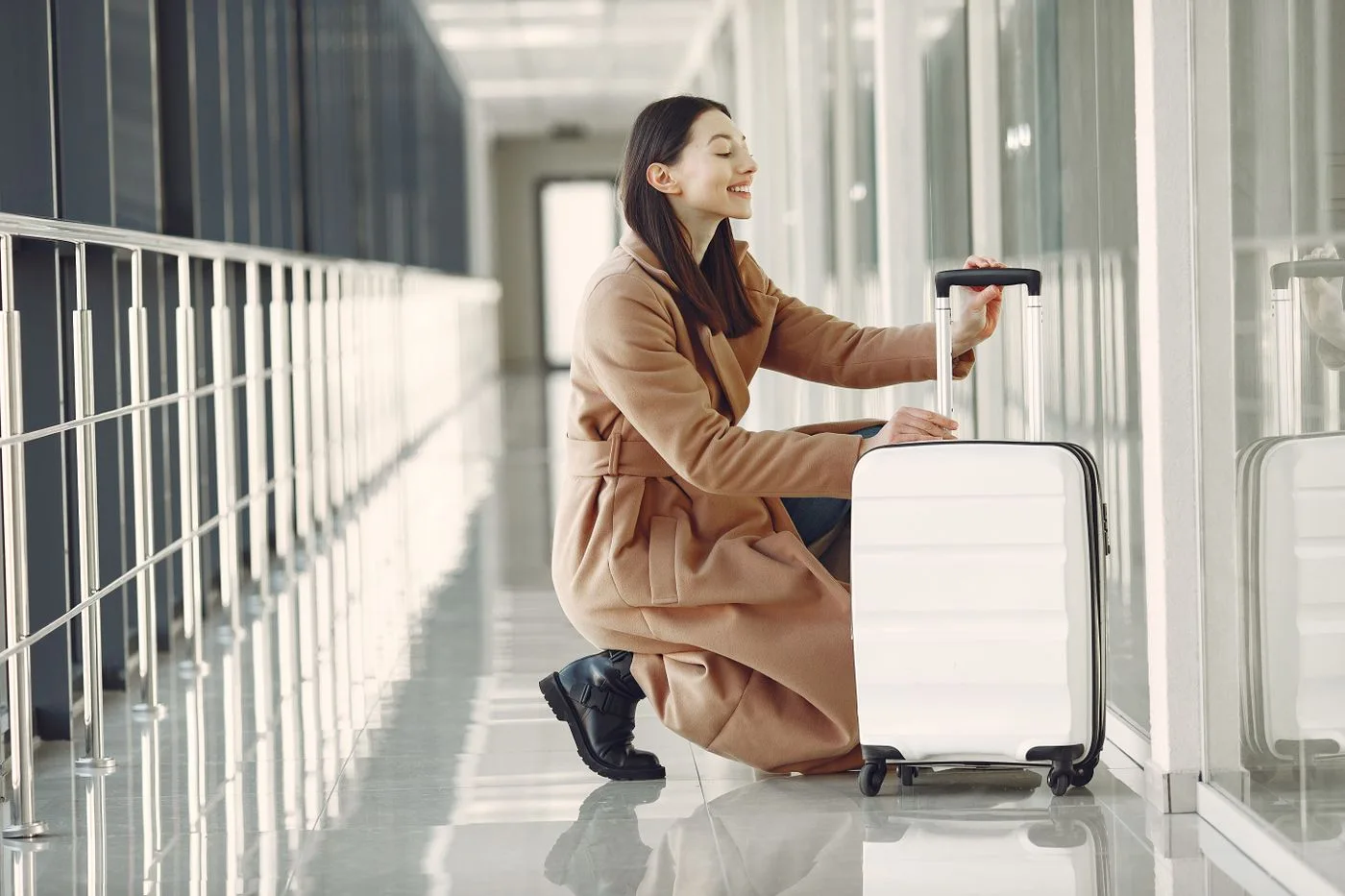
Carry any essential change of clothing in an accessible bag where your baggage allowance permits, particularly if the destination climate differs sharply. Keep necessary personal items organized according to current travel rules and your own needs. A compact pouch can prevent small objects from disappearing beneath layers. The aim is a calm, adjustable outfit that supports a long journey and still feels comfortable when you finally step into the arrival hall.
Before departure, rehearse removing the middle layer while wearing the bag you will carry. If the operation requires emptying pockets or pulling a tight garment over your head, another familiar layer may be simpler. Keep the removed piece where it will remain clean and accessible. These small handling details are easy to overlook at home but become more noticeable when space is limited and your hands are full.
Before you decide
- Sit in the full outfit before departure.
- Give base, middle and outer layers separate jobs.
- Choose familiar walking shoes.
- Check pockets and cuffs for seated comfort.
- Verify baggage and personal-item allowances.
A few useful answers
Do I need a dedicated travel outfit?
Usually you can begin with familiar comfortable clothes. Buy only when an existing piece has a clear limitation, such as bulk, an uncomfortable waistband or unsuitable warmth. A coordinated look does not require a matching set.
What if the destination is much warmer?
Use removable layers and keep the lighter base appropriate for arrival. Plan where the outer layer will go once removed, and ensure the bag can hold it without becoming difficult to carry.
Published and last updated June 24, 2026. Send an editorial correction.