Shopping note: We discuss what to look for, rather than claim hands-on testing. Current shopping links are ordinary retailer links. Affiliate disclosure.
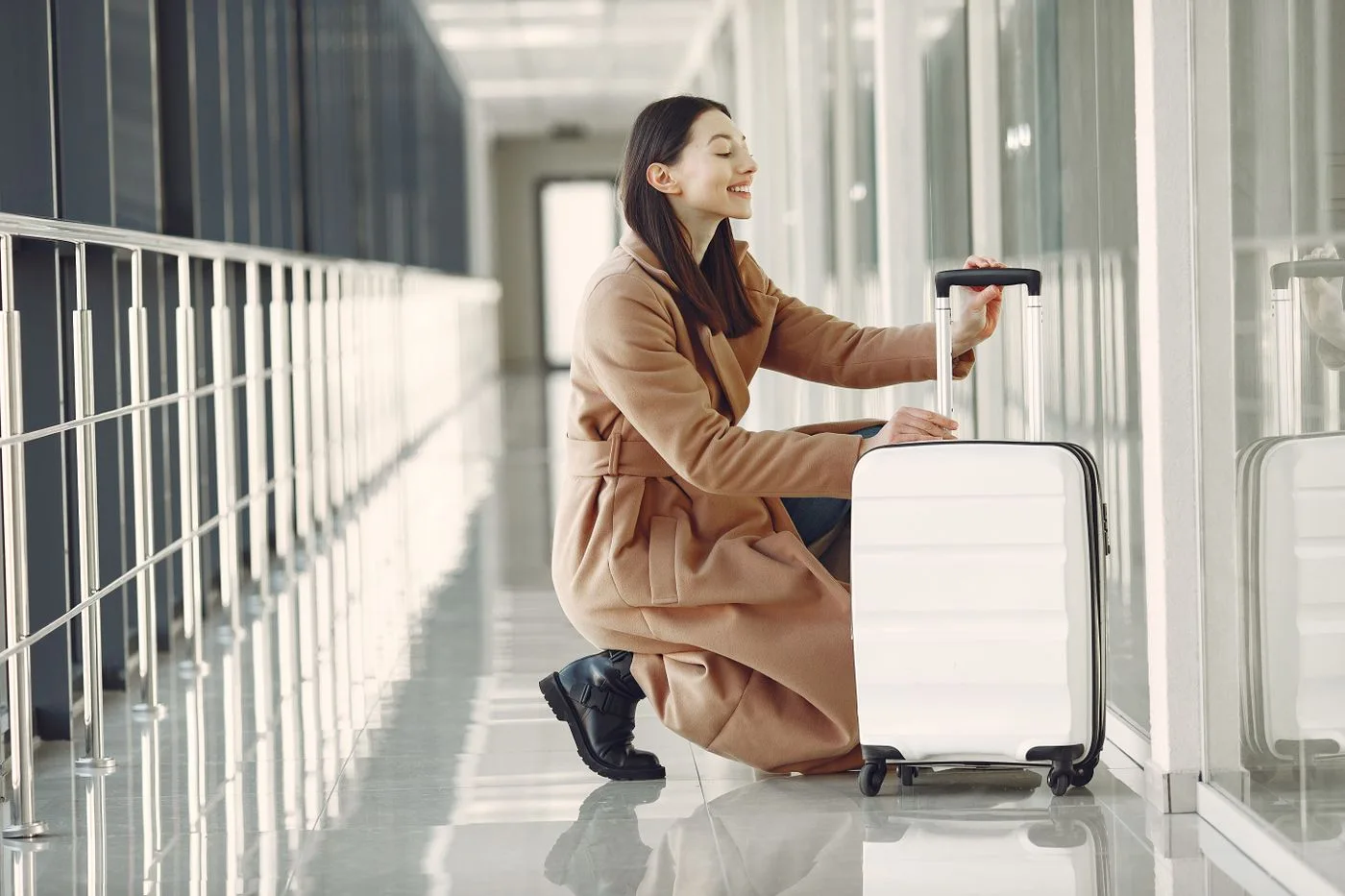
Changing out of boots during a travel day can be practical, but the transition needs a suitable place and an understood carrying arrangement. Plan the change as a small task rather than assuming it can happen anywhere. The footwear worn afterward should already suit the next part of the journey.
Decide why the change is needed
Identify the actual transition, such as arriving at accommodation or preparing for an indoor event. Do not build a footwear change into the itinerary solely because a packing photograph suggests it. Every extra pair needs to justify its place through the activities you have actually planned.
Check the current rules and conditions for the places involved directly with their operators when relevant. A general style article cannot determine what footwear a particular venue permits or where changing is allowed. Keep the plan consistent with those actual arrangements rather than relying on assumptions.
Choose a suitable seated location
Look for a legitimate place where you can sit and change without obstructing circulation or using unsuitable furniture. Accommodation may provide an easier transition than a busy public corridor. If the planned place is unavailable, have a sensible alternative rather than balancing while pulling at a boot.
Keep your belongings within an arrangement you can manage consciously. Do not spread footwear and packing materials across a walkway. A change that requires unloading the entire suitcase may belong later in the day, when there is enough appropriate space to complete it.
Prepare the replacement pair
Pack the intended shoes together with any socks they require. Try the pair with the outfit before leaving home, following the footwear's intended use. A lighter spare is not automatically suitable for the next activity merely because it occupies less luggage space.
Keep the replacement pair accessible at the agreed transition point. This does not necessarily mean placing it at the top of the main suitcase; a separate suitable compartment may be clearer. Avoid choosing a location that compromises the care of other belongings or makes the luggage difficult to close properly.
Return the boots deliberately
Use the boots' intended opening and fastening rather than forcing the foot out while the closure remains partly secured. Follow their care guidance before packing, particularly if they need attention after outdoor use. A carrying bag should not conceal a care task that remains unfinished.
Account for both boots and any associated components before leaving the changing place. Put them in the planned luggage position instead of carrying one pair in a temporary loose bundle. Check that the suitcase still closes without pressure on other contents.
Decide whether the extra pair still earns its space
After the trip, review whether the change actually served the day. If it was repeatedly postponed because no appropriate place existed, simplify the next plan rather than blaming the boots alone. One suitable pair may sometimes be a more manageable choice than a theoretical transition.
Keep a brief note about a workable changing location only where it remains relevant and current. The useful lesson is the complete arrangement: outfit, footwear, seating and luggage access. That is more reliable than a general promise to change shoes somewhere along the way.
Related reading
Plan a Travel Dinner Outfit around the Shoes You Can Carry, One Carry-On for a City Weekend.
Published and last updated January 1, 2025. Send an editorial correction.