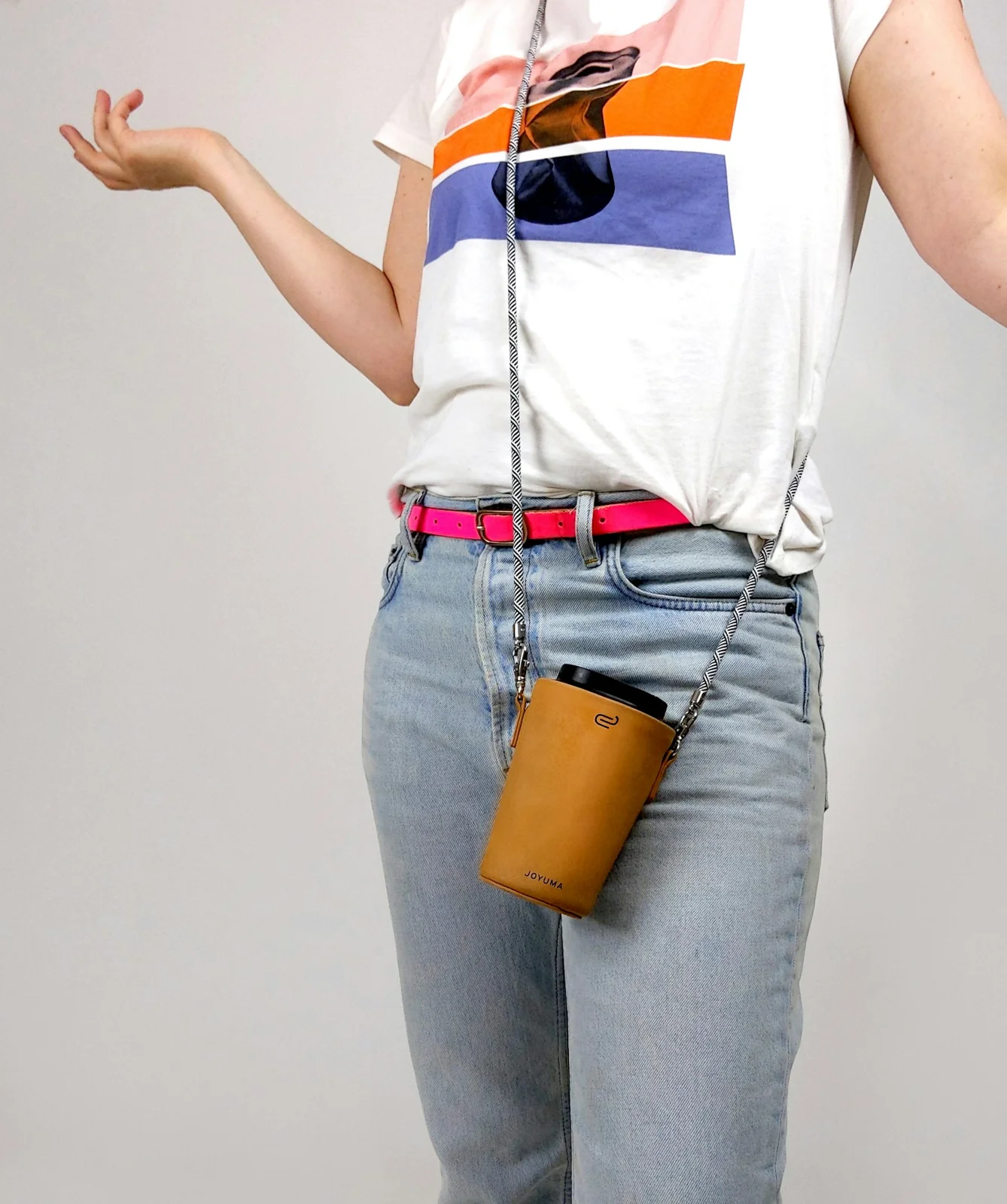
Shopping note: We discuss what to look for, rather than claim hands-on testing. Current shopping links are ordinary retailer links. Affiliate disclosure.
A pocket that accommodates a phone on a flat garment may not provide comfortable access once the outfit is worn. Check the actual reach and return movement before relying on it for the day. The phone's case and the layers around the pocket are part of that decision.
Use the phone as normally carried
Keep the usual case on the phone and include an attached component only if it belongs to your ordinary setup. An empty demonstration case or a smaller object does not show the same interaction. If the pocket is not intended to hold that kind of item, choose another carrying place.
Check that the pocket and its fastening are in suitable condition. Do not force a device through an opening that is too narrow. A fit that requires stretching the seam or leaving a closure under tension is not a convincing reason to assign the phone to that pocket.
Try the reach with the outfit on
Wear the intended shirt, trousers or skirt at their normal position. Add the outer layer and bag before checking access. A pocket can become difficult to reach beneath a long top, a bag strap or a coat that otherwise works well with the outfit.
Remove and return the phone carefully while standing in a clear space. Notice whether you need to lift another garment or twist awkwardly. Keep the movement deliberate during the check rather than imitating a hurried street departure with an unsecured device.
Include a seated position
Sit down carefully in an ordinary chair and notice the pocket's position. Check for uncomfortable pressure and for changes in the opening. A phone that stays manageable when standing may press against the body or become awkward to retrieve while seated.
Do not assume that sitting on the device is an acceptable compromise. If the position is unsuitable, move the phone to another intended carrying place. The purpose of the check is to identify the limitation before it becomes part of every meal, journey or meeting.
Decide how access fits the day
Consider where you are likely to need the phone. A pocket beneath a closed outer layer may be adequate when access is infrequent, while a day with repeated ticket or navigation checks calls for a more convenient arrangement. Keep access consistent with the venue and activity.
Evaluate security separately from convenience. Easy reach does not establish that a pocket will retain its contents appropriately in every setting. Follow the garment's intended use and choose a carrying arrangement you can manage consciously rather than treating depth alone as a guarantee.
Keep one clear return location
Once you choose a suitable place, use it consistently where practical. Avoid alternating between several shallow pockets simply because they are available. An understood return location reduces the need to search every layer when the phone is next required.
Repeat the check when changing the phone case or adding a bulky outer garment. Those changes alter the real carrying arrangement. If the pocket no longer works, revise the outfit's carrying plan before buying different clothing solely to reproduce a photograph of a phone tucked neatly into a waistband.
Related reading
A Work Tote That Fits Your Actual Day, Choosing a Coat for a Winter Commute.
Published and last updated October 1, 2024. Send an editorial correction.


