Shopping note: We discuss what to look for, rather than claim hands-on testing. Current shopping links are ordinary retailer links. Affiliate disclosure.
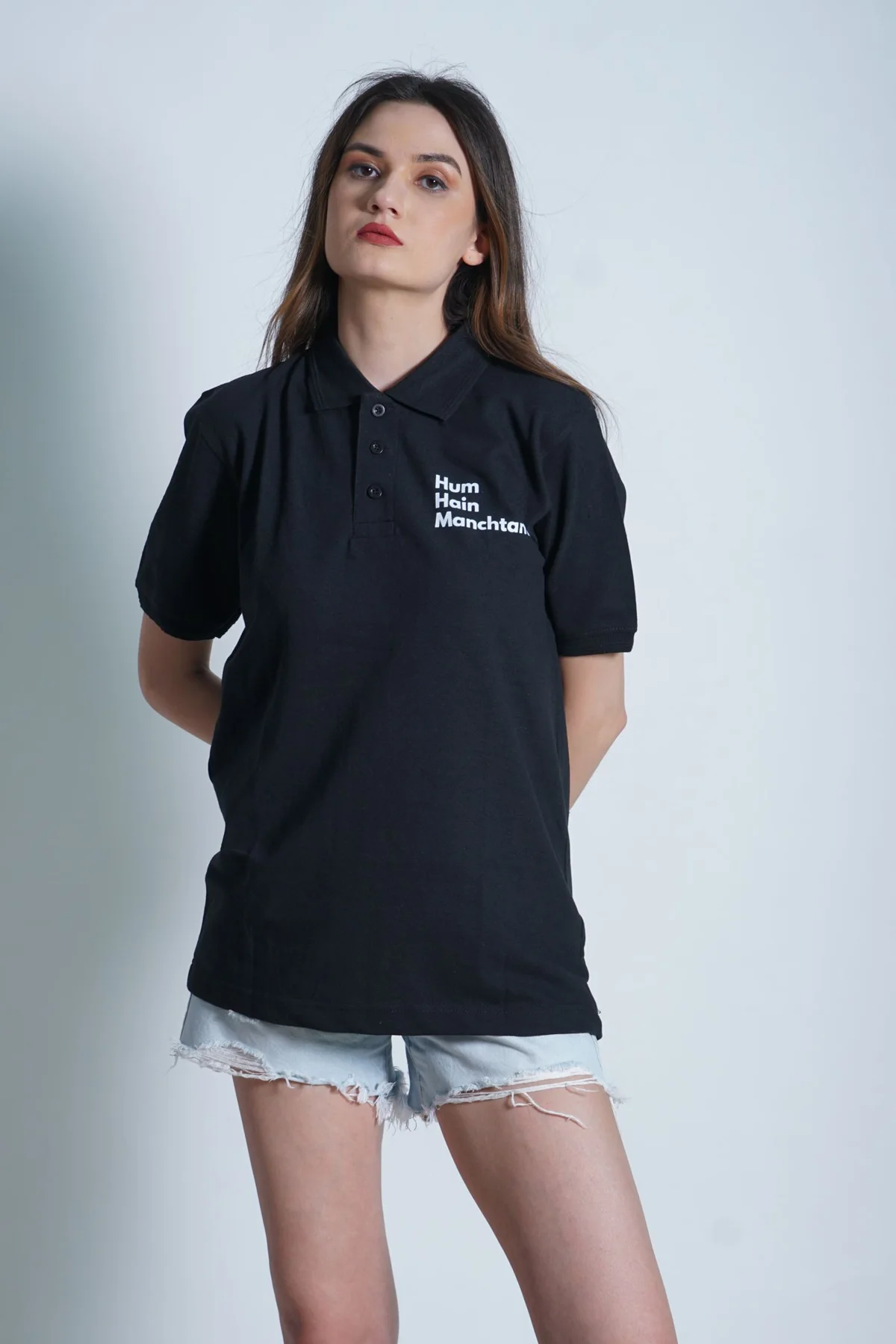
A dark polo and a pale lower garment create a clear color division without requiring a complete coordinated set. Begin with the actual trousers, shorts or skirt already available, then read the collar and waistband as part of the same outfit. The polo supplies a contained upper shape while the pale area changes the lower silhouette. Familiar pieces can provide enough structure before another accessory is considered.
Choose the lower garment for the day
Use a piece with a real role in the plan rather than one selected only to reproduce a studio photograph. A long pale trouser and a short lower garment create very different visible amounts, even beside the same dark top.
Keep the actual condition and readiness clear. A bright image can make pale clothing appear simple while concealing a care or fastening task. Preserve unfinished work separately before treating the garment as available.
Read the polo collar normally
Use the top's supported fastening arrangement and let the collar settle. A higher opening creates one contained shape; another normal version may reveal a different neckline. Observe the actual garment rather than pulling the collar into a pose.
Look at the sleeves as part of the upper area too. They repeat the dark color beside the torso and can already connect the silhouette. Another dark accessory is optional rather than required to make the top intentional.
Compare the waist overlap
Wear the polo in its ordinary appropriate arrangement and notice where the dark area ends. A loose hem and another familiar supported option may show different amounts of waistband. Keep the comparison repeatable through normal movement.
Use a relaxed arm position for one view so the boundary remains visible. A hand on the waist can conceal the exact detail being evaluated, while a close portrait omits it entirely. A clear reference gives the whole relationship context.
Keep the shoe choice practical
Choose familiar footwear suited to the activity before reviewing its visual contribution. A dark pair can repeat the upper area, while another neutral creates a separate endpoint. Neither establishes fit or suitability merely through color.
Leave the bag unchanged during the first trial. Adding several new accessories can turn a small upper-lower comparison into a different outfit. Give the familiar garments a chance to show what they already contribute.
Decide whether the contrast is enough
Look at the complete silhouette from an ordinary distance. The broad dark and pale areas may already create the effect you wanted. Jewelry, scarf and bag do not all need a new role before the combination can feel complete.
Record the actual pieces with a concise observation about the collar or waistband. A familiar dark polo can gain another option through a pale garment already owned, leaving matching purchases as separate decisions rather than the automatic consequence of one clear color contrast.
Related reading
The White Shirt, Off Duty, A Small Autumn Wardrobe, Many Ways to Wear It.
Published and last updated September 1, 2022. Send an editorial correction.


