Shopping note: We discuss what to look for, rather than claim hands-on testing. Current shopping links are ordinary retailer links. Affiliate disclosure.
Define the everyday job
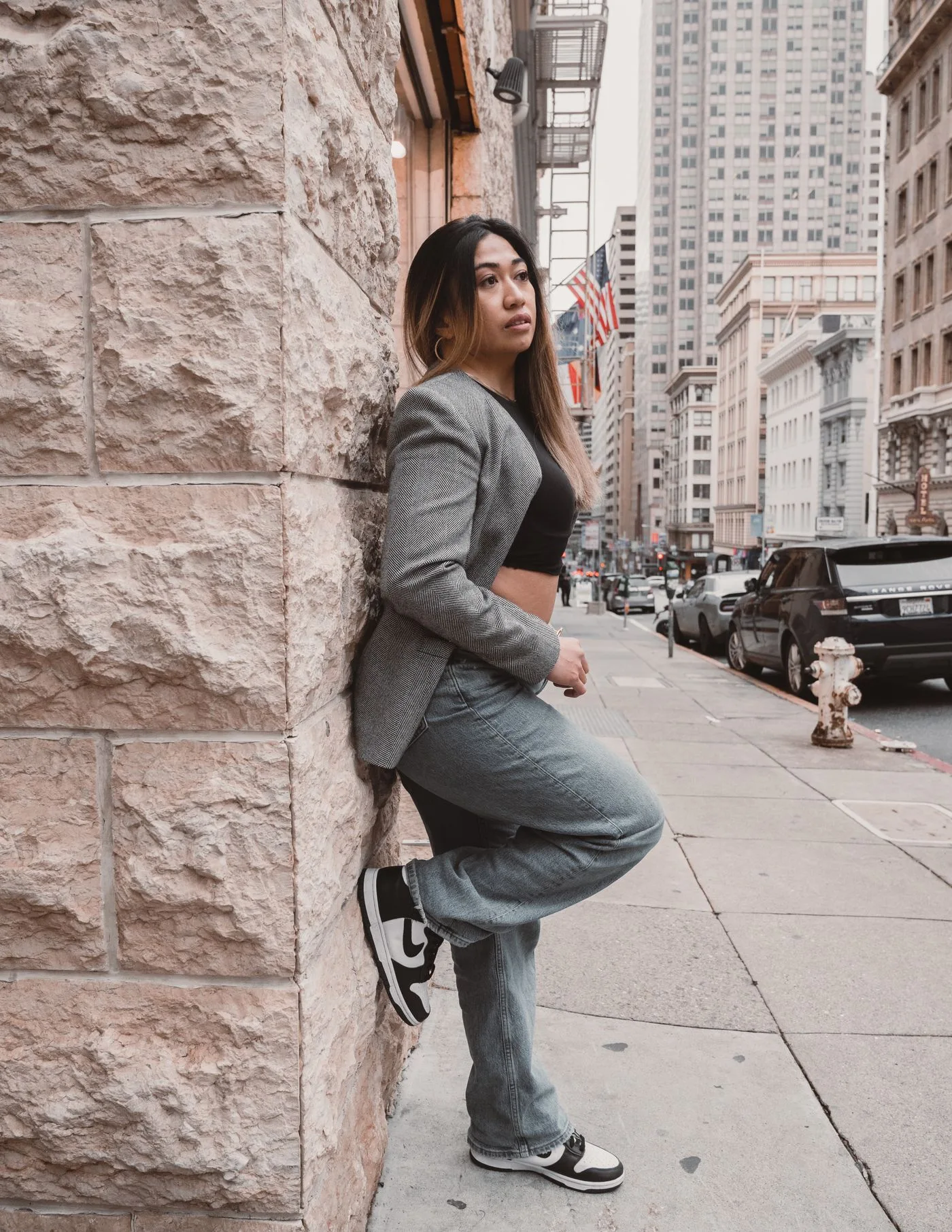
Straight-leg jeans can be a useful bridge between a relaxed weekend outfit and a more polished shirt-and-jacket combination. The label alone, however, covers a wide range of rises, thigh shapes and hems. Before shopping, decide where the jeans will go: a casual office, errands, travel or evenings out. Then identify the tops and shoes they need to work with. A pair that suits a specific heeled boot may be less useful if most New York days involve flats and a long walk.
Take a pair you already enjoy wearing and note what works. It may be the rise, the room through the thigh or the way the waistband feels when seated. Note what you want to change too. This gives the search a concrete direction and prevents an unfamiliar trend description from replacing your own experience of fit.
Separate rise from waist size
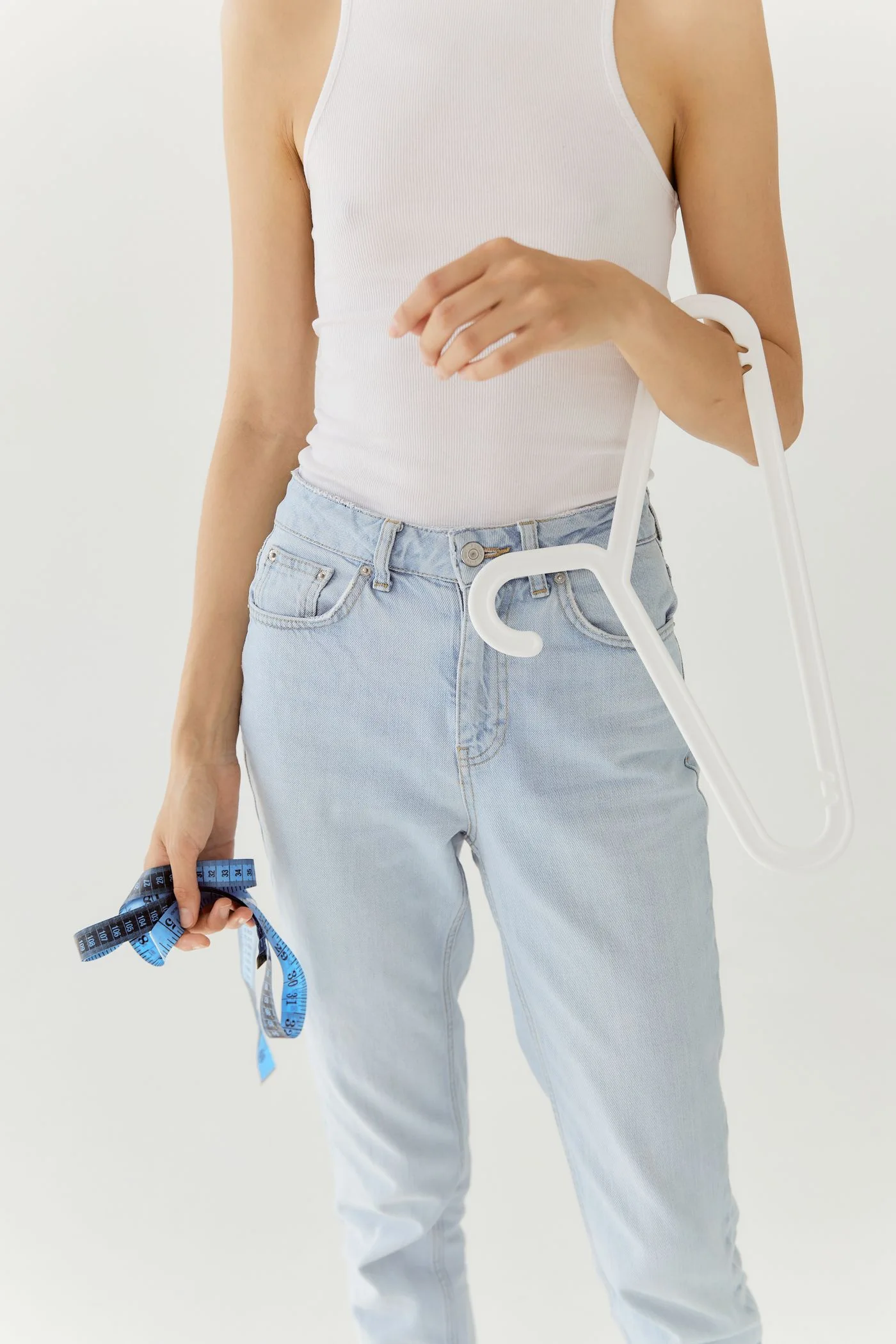
The rise determines where the waistband sits, which affects both comfort and the proportions of the outfit. A waist measurement that works in one rise may feel different in another. Compare garment measurements when available, and check how the front and back rise behave while sitting and bending. A waistband that feels acceptable standing still can press uncomfortably through a long meal or train journey. Do not judge the fit only from the front mirror.
Look for excess pulling or twisting, but remember that not every line in denim is a fit failure. Fabric and construction produce different amounts of structure. Try a nearby size or another cut when a particular area feels wrong instead of assuming that a belt will solve everything. The right waist fit should not require the rest of the garment to be uncomfortable.
Understand the fabric tradeoff
Rigid denim and denim with stretch can feel and behave differently. Read the current composition and care information for the actual style. A firmer fabric may hold a particular shape, while added stretch may offer more ease, but neither category guarantees your preferred result. Check how the jeans recover after sitting during an allowed fitting and whether the fabric feels comfortable against your skin. Wash instructions and likely shrinkage guidance matter when deciding the initial length and fit.
Do not buy a painful size based on a promise that it will stretch into comfort. Equally, an excessively loose pair may not become the structured silhouette you wanted. Use the maker's information and a careful fitting rather than internet folklore about denim. If alterations are likely, get advice before removing labels, since changing a waistband or original hem can be more involved than expected.
Set the hem with real shoes
A straight leg can finish above the ankle, touch the shoe or extend longer, depending on the cut and the look you prefer. Try the jeans with the shoes you wear most. Check the back hem while walking and on a step, especially if the length is close to the ground. A cuff can offer a temporary adjustment, but several thick turns may change the silhouette or feel bulky inside boots. Choose a length that works without constant rearrangement.
Madewell, Everlane and Nordstrom provide starting points for comparing denim fits and length options. Check current size charts, garment measurements and return rules directly. A fit name may change between brands or seasons. Save the measurements of a successful pair so that future shopping begins with evidence rather than a size label alone.
Choose one versatile wash first
If you are filling a genuine wardrobe gap, select the wash that connects the most existing outfits. Darker denim may suit a more polished shirt-and-jacket combination; a faded wash may fit your casual routine better. Neither choice is universally more useful. Wear the first pair through your normal week before ordering another color. The goal is one dependable pair you can style several ways, with comfort and care requirements that make repeated wearing easy.
When comparing washes, look at the placement of fading and seams as well as the overall color. The visual effect may differ from a uniform dark pair, even when the cut is the same. Check front, side and back views in natural light where possible. Select the finish you enjoy wearing with existing tops instead of assuming that the most popular wash will be the easiest to style.
Before you decide
- Name the situations the jeans must cover.
- Compare rise and garment measurements.
- Sit and bend during the fitting.
- Read fabric and washing guidance.
- Test the hem with your everyday shoes.
A few useful answers
Do all straight-leg jeans have the same shape?
No. The term does not standardize rise, thigh room or hem width across brands. Compare measurements and photographs, then assess the particular pair on your body with the shoes you intend to wear.
Should I buy a second wash immediately?
It is usually more informative to wear and care for the first pair before repeating the purchase. A fitting-room success may reveal different strengths or limitations during a normal week.
Published and last updated May 24, 2026. Send an editorial correction.