Shopping note: We discuss what to look for, rather than claim hands-on testing. Current shopping links are ordinary retailer links. Affiliate disclosure.
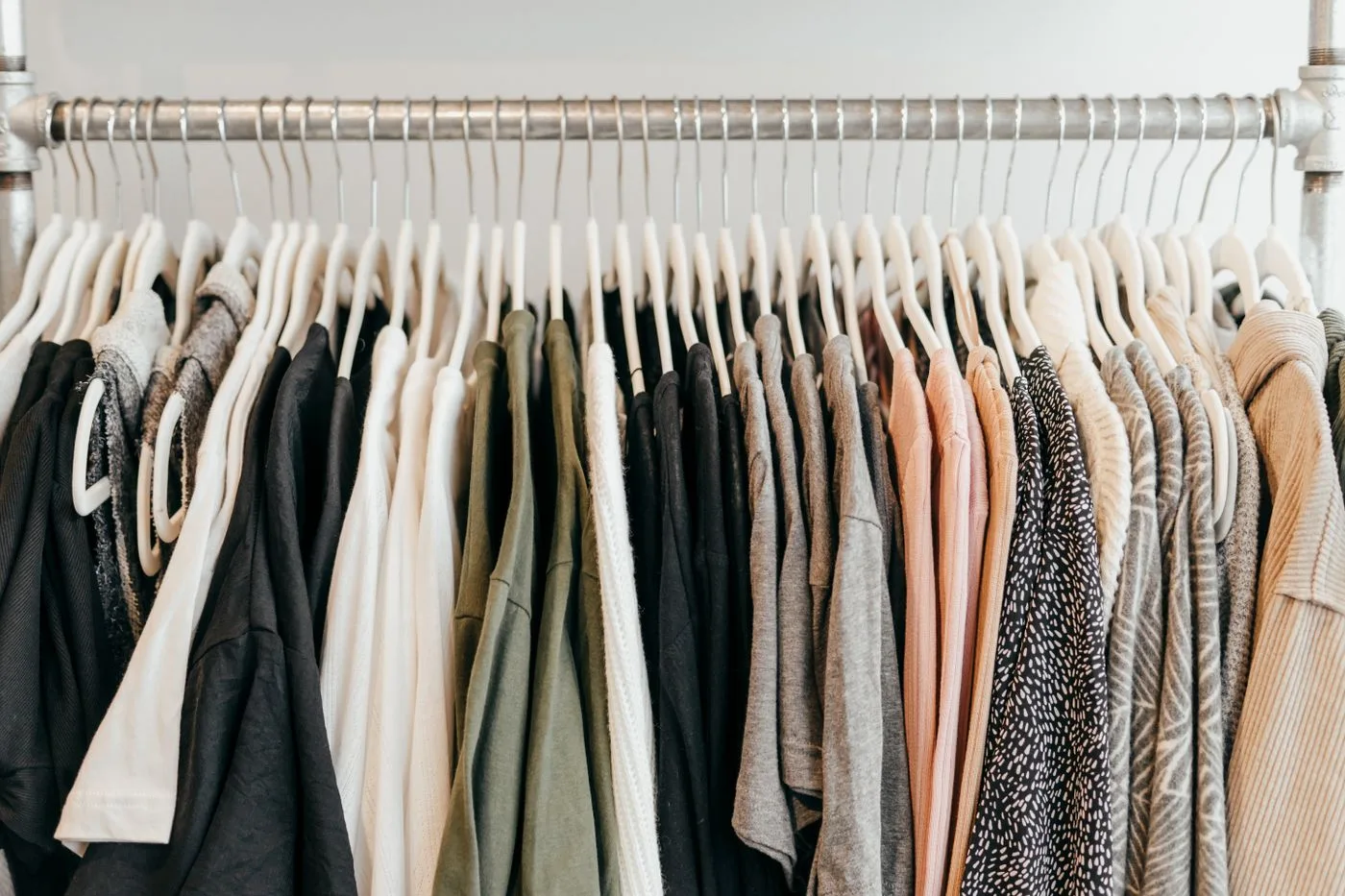
A travel palette becomes useful when its colors belong to complete outfits. Compare two small groups on the existing clothing rail, using real garments and actual trip plans. One may center on dark lower pieces and pale tops; another may include a bright layer. The exercise is not to make every possession match every other one, but to understand which group offers the combinations genuinely needed before another coordinating purchase is considered.
Name the plans the clothes must serve
Use the actual known activities and keep unresolved arrangements visible. A small wardrobe for a short visit has a different scope from several imagined occasions. Do not expand the palette merely to make the rail photograph look varied.
Keep practical travel requirements with their appropriate sources. The visual group cannot establish conditions, rules or services for another journey. Its purpose is to preserve the clothing relationships within the real plan.
Build the first group as outfits
Choose complete combinations with footwear and the necessary outer layer understood. The rail may show tops and lower garments separately, so add a short note connecting the actual partners. A coordinated appearance on hangers does not prove every item belongs in every outfit.
Use current garment status honestly. A piece awaiting attention is a possible future option rather than a ready component. Keep that distinction clear before counting the group as settled.
Create a second group without changing the whole wardrobe
Use another set of actual choices already available. A different top or outer layer can change the palette while familiar trousers remain constant. There is no requirement to replace every piece just to produce a visually distinct comparison.
Keep each group's intended role explicit. A brighter option may appeal for one real plan, while a quieter group serves another. Describe the actual difference rather than labeling one palette universally more travel-friendly.
Read the visible amounts
A large coat contributes more color than a small accessory, even when both share a hue. Look at the complete outfits rather than judging the palette by equal-sized mental color squares. The body and garment lengths determine the actual distribution.
Keep footwear and bag choices practical. Exact matching is optional, and a neutral accessory can retain an independent role. The palette should simplify the packing decision rather than create a need for new objects in every selected shade.
Keep the useful group and its limits
Choose the combinations that serve the real plans, retaining an alternative only for a defined uncertainty. A hypothetical outfit can remain a future trial rather than an invented success used to justify the count.
Record the actual item identities and partners in a concise note before returning the rail to its ordinary arrangement. A small understood palette can support several complete outfits without promising endless combinations, leaving another garment purchase as a separate decision about a genuine gap rather than a visual obligation created by the group photograph.
Related reading
A Small Autumn Wardrobe, Many Ways to Wear It, One Carry-On for a City Weekend.
Published and last updated March 1, 2023. Send an editorial correction.