Shopping note: We discuss what to look for, rather than claim hands-on testing. Current shopping links are ordinary retailer links. Affiliate disclosure.
Name the friction instead of the fantasy
The feeling that you have nothing to wear often arrives beside a wardrobe containing plenty of clothes. Before shopping, describe the actual friction. Perhaps the trousers only work with heels, the favorite shirt needs cleaning too often or every warm layer feels bulky under your coat. Those are specific problems with possible solutions. 'A better wardrobe' is too vague to guide a useful purchase. For a busy New York week, the most valuable improvement may be one comfortable layer rather than a dramatic new look.
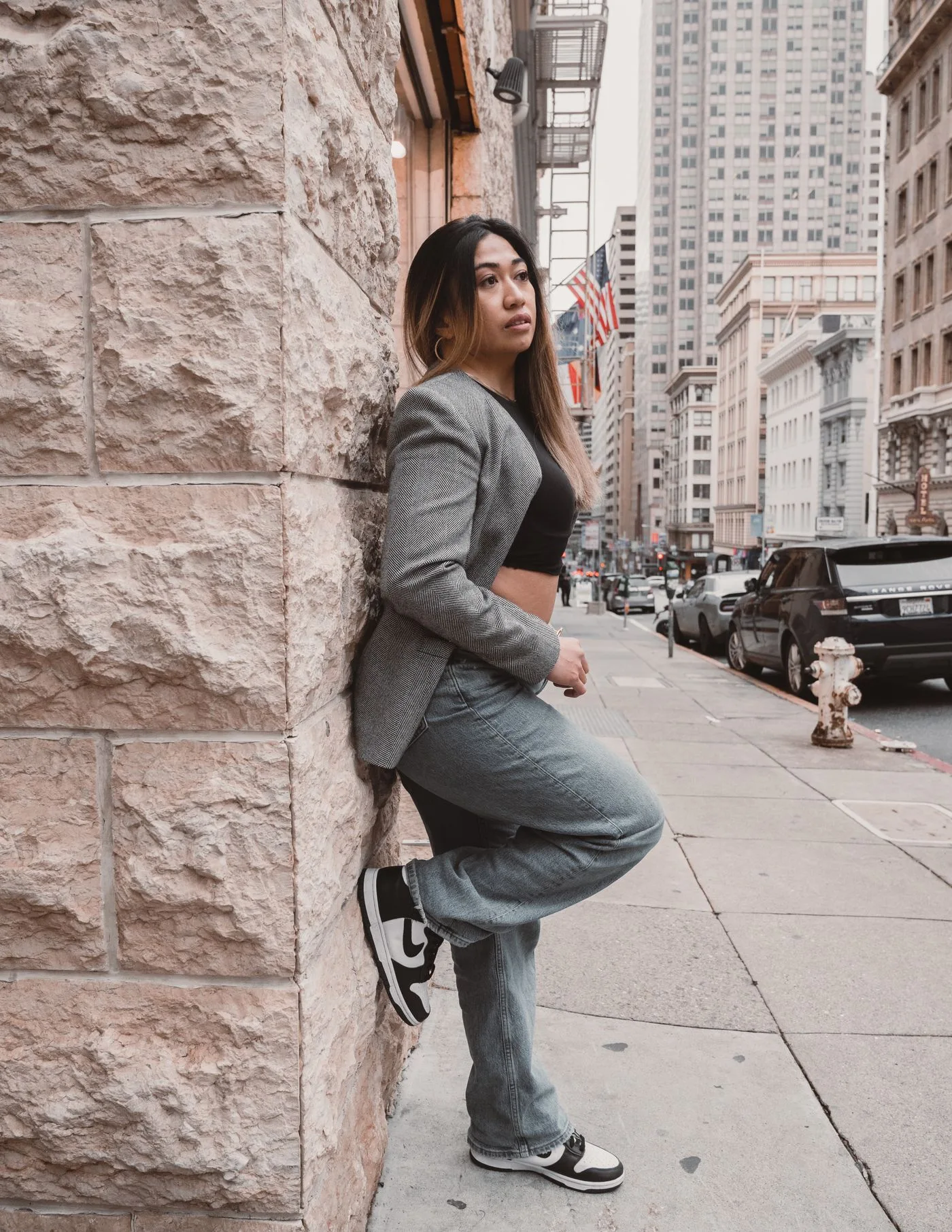
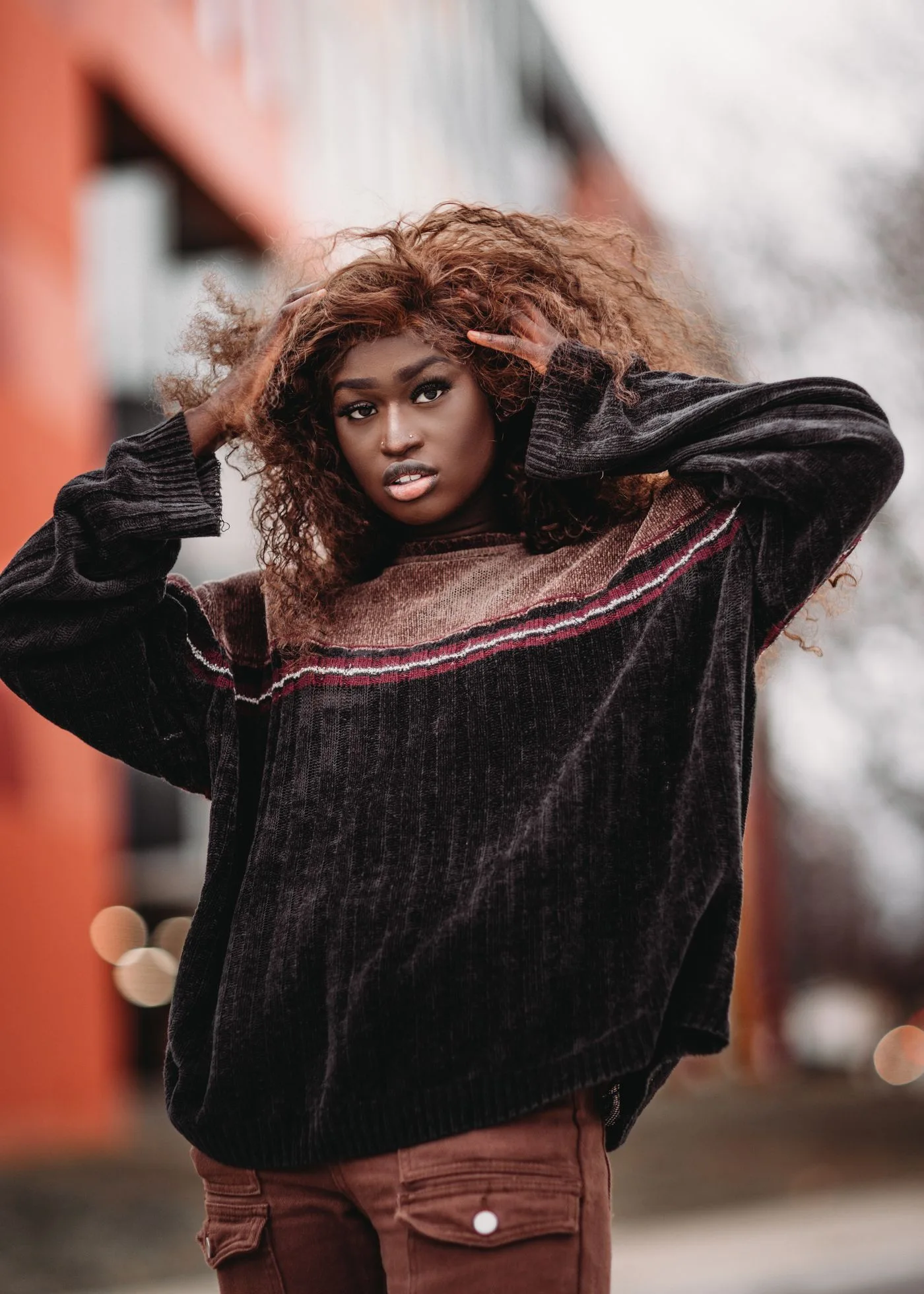
Choose three outfits you already enjoy and photograph them. Note the activities they serve and any limitations. This creates a record of what works, not just a list of what seems missing. Shopping becomes more precise when it builds on proven combinations instead of replacing them with a collection inspired by someone else's routine.
Audit by trying clothes together
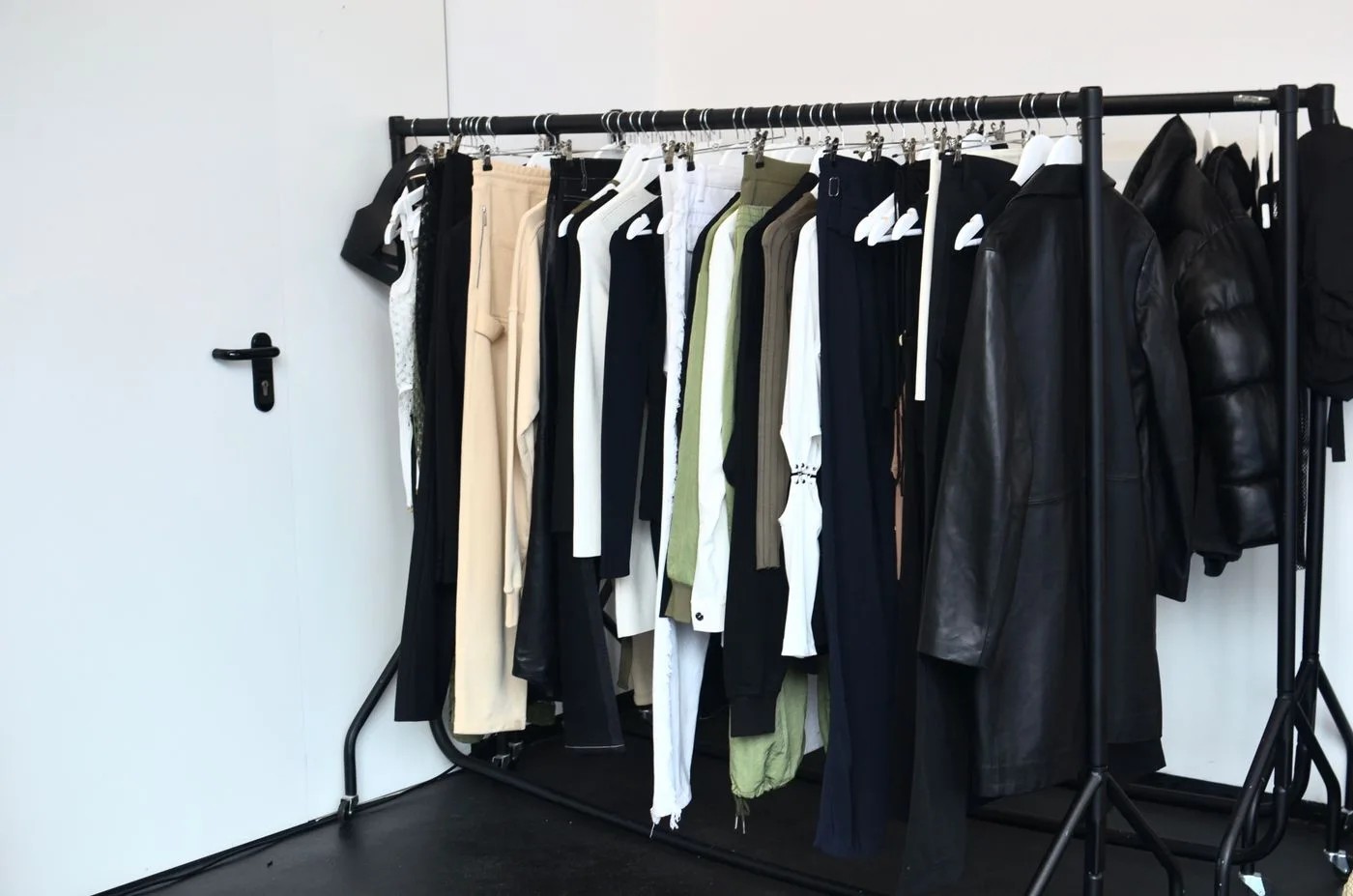
An inventory is useful, but a rail of individual garments cannot show whether they make comfortable outfits. Try the pieces together with the real shoes, bag and outerwear. Sit, reach and walk. Separate clothes that need repair or cleaning from those ready to wear, and give each task a realistic next step. An item waiting indefinitely for an alteration should not be counted as a dependable part of the week's wardrobe.
Look for duplication as well as gaps. Several similar tops may all serve the same situation while no coat fits over your work jacket. Avoid declaring an item essential because it appears on a generic checklist. Your essentials come from repeated activities, temperature needs, dress expectations and personal preferences. Another person's capsule is a source of ideas, not a binding inventory.
Write a purchase brief
For each genuine gap, write a short description that includes function, fit and compatibility. 'Dark straight trousers that work with flat shoes and my two office shirts' is more useful than 'smart trousers.' Add the care requirements you can manage and a total budget. If the item needs alterations or a separate underlayer, include those costs. A brief makes it easier to reject an appealing product that does not solve the problem you set out to address.
Rank the gaps by how many existing outfits they improve and how often the need occurs. Start with one. A single useful purchase can reveal whether the rest of the list remains necessary. Buying several categories at once makes it harder to tell which item solved the original frustration and which simply added another coordination task.
Compare evidence, not just imagery
Use current garment measurements, composition, care information and return terms when comparing options. Measure a similar item that works at home. Product photography can suggest a silhouette, but styling, lighting and model proportions affect the impression. Read reviews for specific observations, recognizing that another person's fit experience may not predict yours. Check unclear details with the seller rather than filling the gaps with assumptions.
Uniqlo, Everlane, Madewell, Nordstrom and Quince can serve as comparison points for different everyday categories. No retailer needs to supply the whole wardrobe. Consider secondhand items, repair and borrowing where appropriate, using the same attention to measurements and condition. A promotion should change the cost of a planned purchase, not create the need for an unrelated one. Keep a short waiting period for nonessential purchases if that helps separate enthusiasm from usefulness.
Review the result after real wear
When a purchase arrives, try it with the outfits named in the brief while preserving return eligibility. If it needs several additional purchases to work, reconsider it. Once kept, wear it through ordinary days and record what improved. This turns future shopping into a learning process rather than a repeated reset. A considered wardrobe does not need to stop changing. It needs changes that make getting dressed more comfortable, more useful and more recognizably your own.
Keep receipts and order details together until you have completed the fitting and decided what to retain. Note return deadlines in a place you will see them, and avoid removing labels before the retailer's conditions allow. This small administrative habit protects the budget while you evaluate a purchase calmly. A considered decision includes the practical ability to return an unsuitable item, not just the intention to choose well.
Before you decide
- Describe one repeated dressing problem.
- Photograph three outfits that already work.
- Write function, fit, care and budget criteria.
- Compare measurements and return conditions.
- Test the purchase with named existing outfits.
A few useful answers
How long should I wait before an unplanned purchase?
Choose a pause that fits your habits rather than a universal number. Save the item, revisit your wardrobe brief and check whether the need still exists after the immediate excitement. Time alone is less useful than a clear reason to buy.
What if the purchase is beautiful but does not fit the plan?
You can choose an occasional pleasure purchase within your budget, but recognize it as a separate decision. Do not count it as solving a daily wardrobe gap unless it actually works with the outfits and activities you identified.
Published and last updated October 10, 2026. Send an editorial correction.