Shopping note: We discuss what to look for, rather than claim hands-on testing. Current shopping links are ordinary retailer links. Affiliate disclosure.
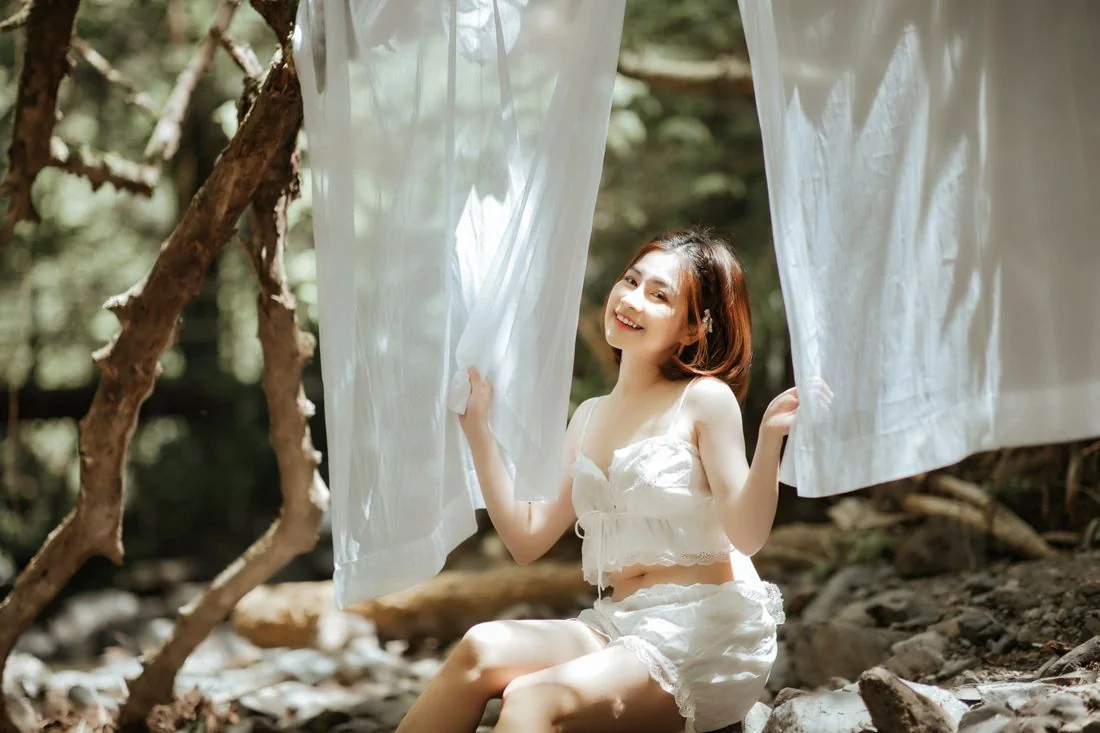
A pale outfit can seem almost invisible against a bright wall and sharply defined beside a darker one. Compare the background before changing the clothes. The useful photographic question is whether the garment edges and main proportions remain readable. Two ordinary appropriate settings can explain that difference without recreating an elaborate editorial scene with hanging fabric, dramatic light or a new wardrobe assembled for the camera.
Name the detail worth preserving
Decide whether the image should show the whole silhouette, a neckline or the overlap between layers. A full-outfit reference needs enough room around the hem and shoes; a smaller detail view can have a different purpose.
Put the clothes into their normal arrangement first. If a hand hides the waist or holds a layer aside in every frame, the record may preserve a pose rather than the outfit. Keep one straightforward view with the relevant detail visible.
Compare a lighter background
Use a suitable available wall or other ordinary surface and observe which edges remain clear. Pale fabric against a pale area can create a quiet image while making folds or sleeves harder to distinguish.
This is a visual observation, not proof that the outfit itself lacks shape. The background may be reducing contrast. Keep that explanation separate before deciding the clothes need a darker belt, another layer or a different accessory.
Try a darker background without restyling
Keep the outfit and ordinary pose steady while comparing an appropriate darker setting. Notice whether the silhouette becomes clearer and whether another dark object, such as the bag, becomes less visible.
The tradeoff helps identify the image's purpose. A wardrobe reference may prioritize the garment edge, while a scenic memory may retain more of the surroundings. One background does not have to serve every kind of photograph equally well.
Keep light and color in context
A phone image can shift pale shades and lose detail in bright areas. Use the result as a record of shape rather than an exact product color sample. Actual composition and care information remain with the garments themselves.
Look at the picture after taking it instead of assuming a brighter setting is automatically clearer. A normal position with more visible folds may provide a better reference than a dramatic image where the fabric becomes a flat light area.
Save the useful view
Retain the photograph that explains the intended detail, even if another looks more theatrical. A simple clear image can make an outfit easier to repeat weeks later because attention remains on the actual clothes.
The scenic version can remain alongside it for a different reason. Two backgrounds reveal how context changes appearance, allowing a pale outfit to retain its real role without treating every unclear photograph as evidence that another garment or accessory must be purchased.
Related reading
The White Shirt, Off Duty, Before You Buy: A Wardrobe Shopping Plan.
Published and last updated June 12, 2022. Send an editorial correction.


