Shopping note: We discuss what to look for, rather than claim hands-on testing. Current shopping links are ordinary retailer links. Affiliate disclosure.
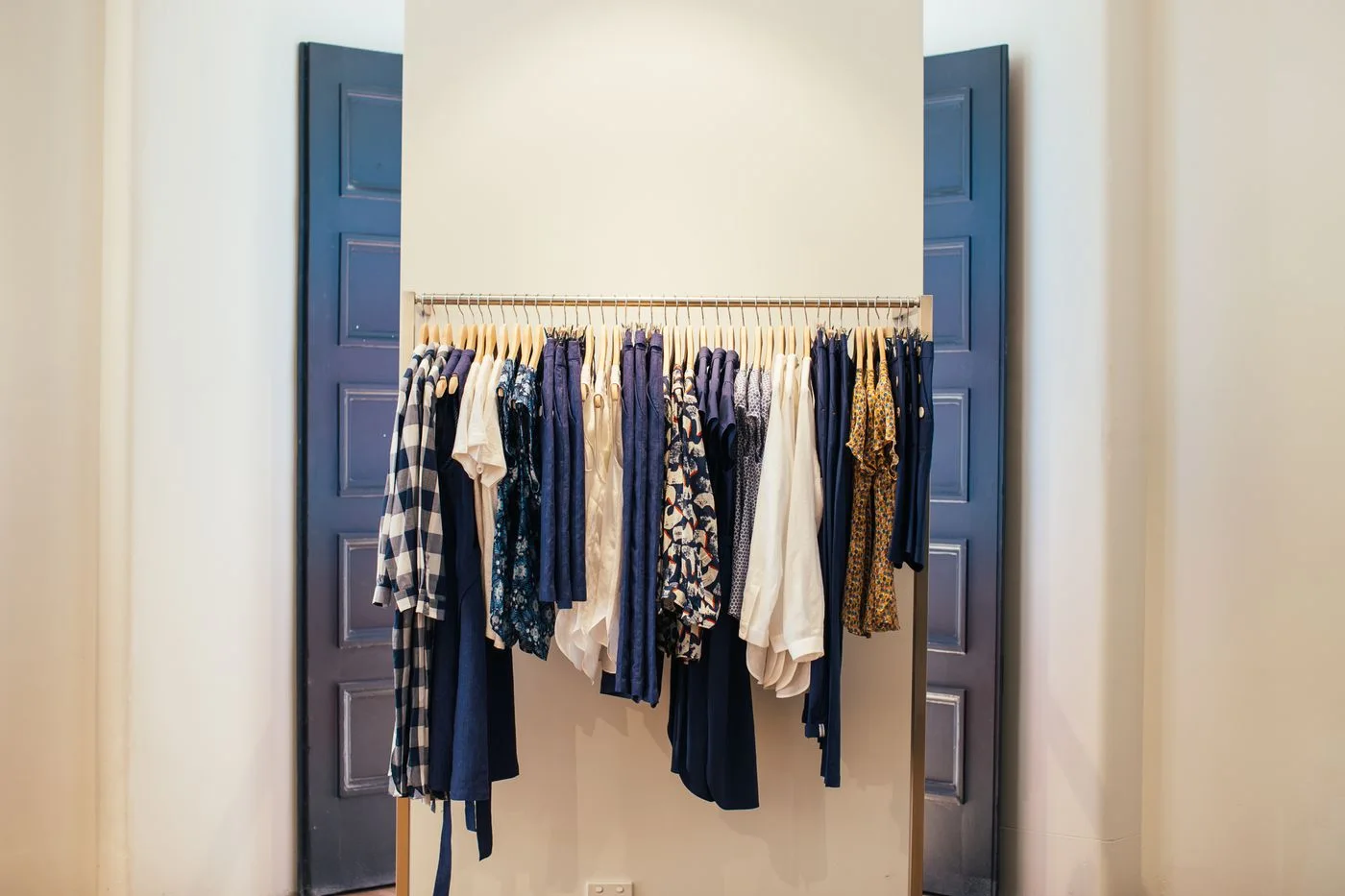
The middle of a clothing rail often receives all the attention during a wardrobe tidy. The ends can quietly collect garments that are harder to see or remove. Review those spaces separately before deciding that the whole rail is full or that another storage unit is necessary.
Look from the normal approach
Stand where you usually choose an outfit and notice what the rail actually reveals. The final garment may sit against a side panel, behind a room door or beside a tall stack of boxes. A piece that appears visible from inside the wardrobe may be almost hidden from the bedroom.
Take out the last few garments one at a time. Notice whether a hanger catches on an upright, whether a sleeve drags against a shelf and whether removing one piece pulls another with it. These small movements explain why an apparently adequate storage position is often avoided.
Give garments room to leave the rail
Arrange the usable rail within its installation and load guidance. Leave an appropriate working margin beside supports rather than pushing hangers into every available corner. A garment needs a path out of storage as well as a place to remain hanging.
Avoid placing easily caught details beside rough edges or unrelated hardware. If a surface is damaged or a fitting seems loose, resolve the storage issue rather than disguising it with a scarf. Clothing should not have to function as padding for a wardrobe that needs attention.
Assign the end positions honestly
A less convenient position can suit clothing worn less often, provided the item remains accessible and appropriately stored. Keep daily pieces nearer the part of the rail you can comfortably reach. Do not give an inconvenient position to a garment merely because it is small enough to squeeze there.
If an occasion dress occupies an end, account for its full hanging length and any required storage protection. Keep it away from floor clutter. A long garment whose hem is repeatedly tucked out of sight may need a different arrangement rather than a more determined attempt to fit it into the existing space.
Avoid invisible categories
Check whether all the final garments share a role, such as office layers or spare shirts. When an entire category sits at the edge, you may overlook it during outfit planning and buy replacements unnecessarily. Move one representative piece into the ordinary view before concluding that the wardrobe lacks that option.
A simple division of the rail can help, but labels are optional. The arrangement should remain legible when a garment is absent for laundry or wearing. If a missing piece makes the system impossible to understand, use a less rigid sequence that tolerates normal daily changes.
Test the return as well as the removal
Hang the chosen garment back without compressing everything into the corner. If returning it requires both hands to hold other pieces aside, reduce the immediate contents. The storage is not fully workable if it only looks orderly immediately after a deliberate rearrangement.
Repeat the end check after bringing clothes back from seasonal storage. The usable amount of rail can change with the bulk of the garments. A few clear end positions help keep the complete wardrobe in view without demanding a perfectly spaced display along its entire length.
Related reading
A Small Autumn Wardrobe, Many Ways to Wear It, Before You Buy: A Wardrobe Shopping Plan.
Published and last updated June 12, 2024. Send an editorial correction.


