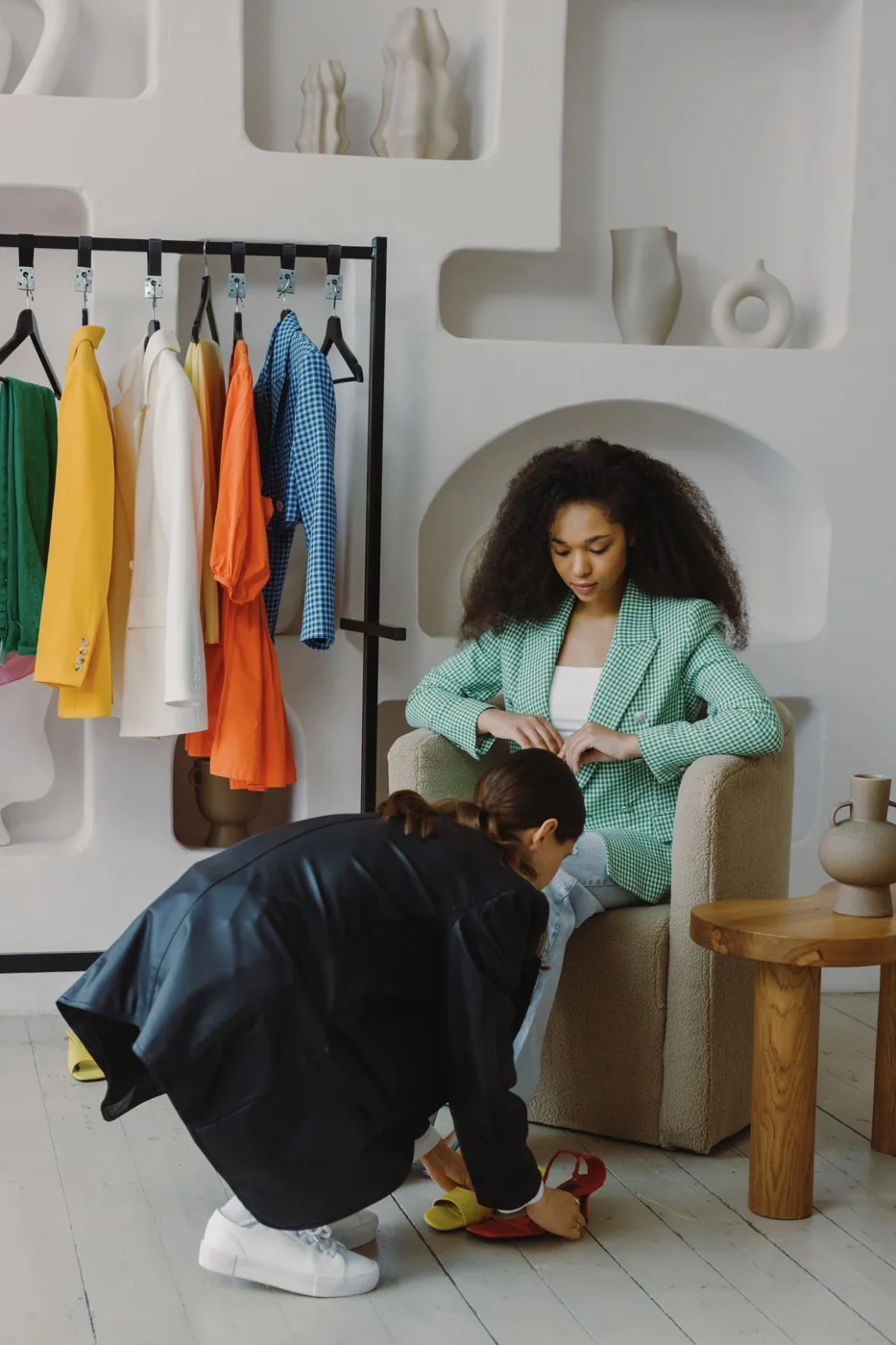
Shopping note: We discuss what to look for, rather than claim hands-on testing. Current shopping links are ordinary retailer links. Affiliate disclosure.
Trying on shoes is more useful when the intended day is clear. A pair chosen for a seated dinner and one considered for an ordinary walking commute face different demands. Prepare a short fitting brief so the comparison reflects the actual role rather than the most appealing angle in the shop mirror.
Describe the intended activity
Name the main use and the clothing that belongs with it. Avoid requiring one pair to cover every imagined occasion if the original need is specific. A clear role helps you judge whether the shape, fastening and practical wearing arrangement deserve further consideration.
Follow the footwear maker's intended use and the fitting location's instructions. A style preference does not establish suitability for a specialised activity. If the day requires a particular footwear specification, verify that requirement directly rather than inferring it from the shoe's appearance.
Bring the ordinary base layers
Use the socks or hosiery intended for the pair where appropriate and permitted. A different thickness can change the wearing arrangement. Do not assess the shoe with a temporary sock simply because it was convenient and then assume the result will transfer to every outfit.
Wear trousers or a skirt that provides a relevant comparison, or keep a clear note about the intended garment. The relationship between hem and shoe can influence the outfit, but it should be considered alongside comfort and function rather than replacing those questions.
Try the pair completely
Fasten both shoes as intended and keep any required fitting protections in place. Follow the retailer's guidance about where and how to walk. An unfastened shoe held on by the toes does not provide a fair impression of the intended fit.
Move carefully through ordinary permitted actions such as standing, sitting and walking in the fitting area. Notice whether the footwear needs repeated adjustment. Do not assume that an uncomfortable fit will become suitable through wear without relevant guidance about the particular product.
Ask specific questions
Read available product information about construction, care and intended use. If a detail matters to your decision, ask about that detail directly. A general reassurance that a pair is popular does not answer a question about its fastening or your planned activity.
Keep claims proportionate to the evidence. A brief indoor trial cannot establish long-term durability or comfort through an entire trip. Treat the fitting as a useful decision stage while acknowledging what remains unknown about the pair outside that controlled setting.
Complete the comparison calmly
Compare only suitable candidates against the original brief. If none works, leave without substituting a visually similar pair that fails the practical requirement. The fitting has still clarified the decision and may help refine what to look for next.
Before buying, read the seller's current conditions and keep relevant care information. Record the useful result in plain terms: the intended socks, garment role and fastening arrangement. A specific fitting note helps future choices more than a broad rule that one shape or brand must work for every day in your wardrobe.
Related reading
Loafers for Long Days on Your Feet, Trouser Creases and Shoes: Check the Line While Walking.
Published and last updated October 12, 2023. Send an editorial correction.


