Shopping note: We discuss what to look for, rather than claim hands-on testing. Current shopping links are ordinary retailer links. Affiliate disclosure.
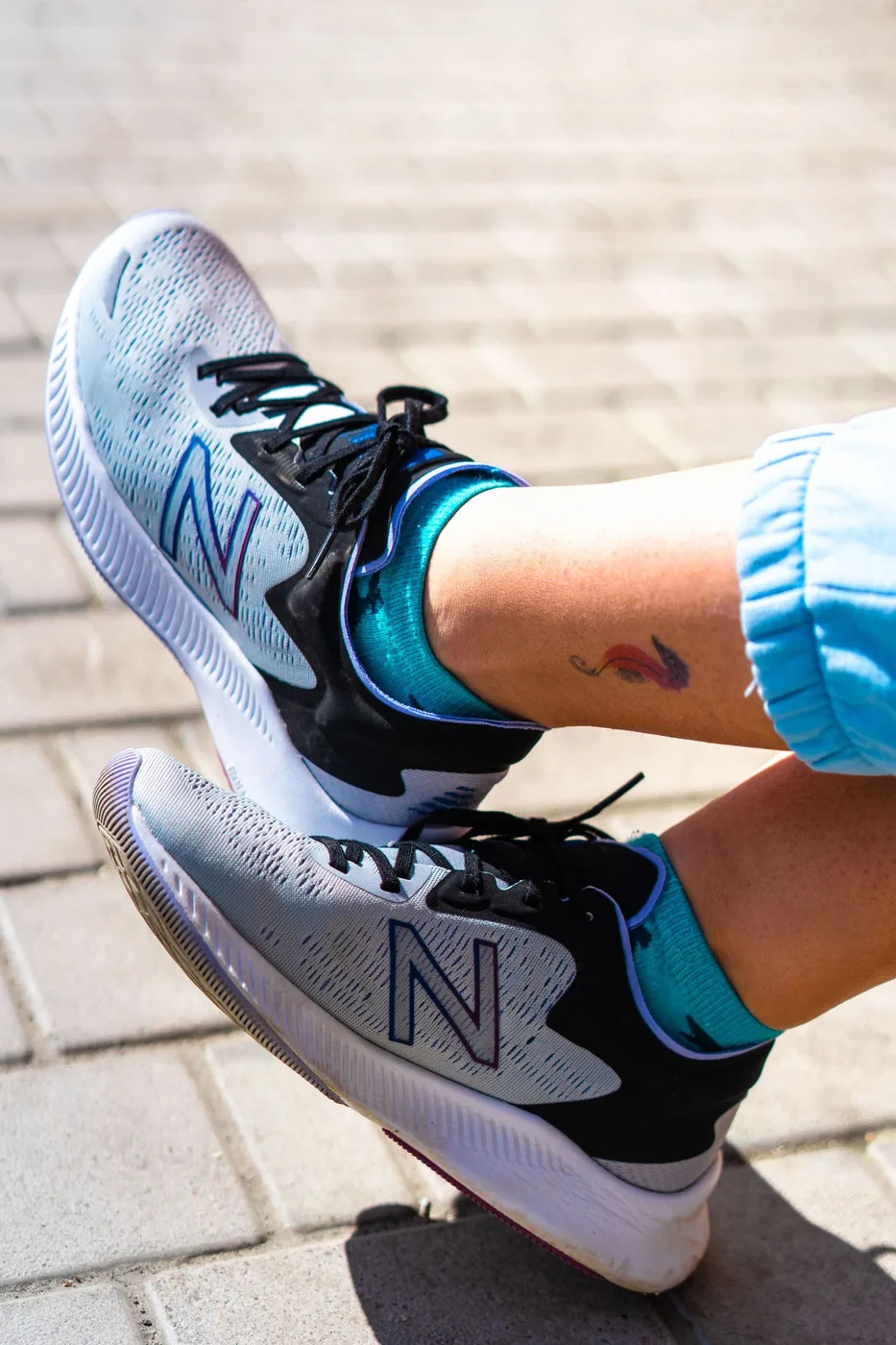
Similar grey or white sneakers can become surprisingly difficult to distinguish near a shared entrance. A hurried departure is a poor moment to discover that the left shoe belongs to one person and the right to another. Give the pairs a clear identity before solving the problem with a larger shoe rack.
Establish which pair belongs together
Compare the footwear carefully using the maker's markings, size information and recognisable construction details. Do not rely only on colour, since several pairs may have almost the same upper. Keep the correct left and right shoes together while reviewing the collection.
If ownership remains uncertain, ask the people involved rather than assigning a pair by appearance. Similar sizes do not establish interchangeable fit or permission to borrow. A short conversation resolves more than an elaborate storage label applied to a pair nobody has actually identified.
Use existing distinctions first
Notice differences already present in the sole pattern, lace colour, logo placement or wear. These can help identify a pair without adding anything to the shoe. Keep the distinction simple enough to recognise in ordinary hallway light rather than depending on a tiny detail visible only during close inspection.
Avoid permanent marker, adhesive labels or replacement components unless the maker's guidance supports that treatment. A colour-coded storage place can be more appropriate than modifying the footwear. The identification system should not create a care problem or obscure useful size and product information.
Give each pair a return place
Assign a practical position that people can reach without lifting another person's shoes out of the way. Keep both shoes oriented so their relationship is clear. A divided shelf or agreed side of a suitable storage area may be sufficient; the space does not need to resemble a shop display.
Check the return route after the shoes have received whatever attention their care instructions require. A pair left elsewhere for drying or cleaning is still part of the system. Leave its position understandable while it is temporarily absent instead of filling the vacancy immediately with unrelated belongings.
Separate borrowing from accidental swapping
Agree whether borrowing is acceptable and how the pair should be returned. Identification alone does not grant permission. Where shoes are kept for different activities, preserve those roles rather than assuming that a similar-looking pair can substitute for a specialised option.
If someone repeatedly takes the wrong pair, simplify the location before adding more signs. Move the pairs farther apart or choose a more obvious distinction at shelf level. The most useful change is one that can be understood during a normal departure without stopping to study a household inventory.
Review pairs before removing them
When one shoe appears unclaimed, check the other storage and care locations before discarding it. A missing partner may be waiting elsewhere after cleaning. Keep unresolved items separate briefly while ownership and completeness are clarified, rather than mixing them back into the ready-to-wear group.
Revisit the arrangement when a new pair arrives. Retire storage labels or personal assignments that are no longer accurate. Clear pair identity supports a calmer departure and helps each person make choices about their own footwear without turning a shared entrance into an unnecessarily complicated management task.
Related reading
Loafers for Long Days on Your Feet, Dressing for a Rainy City Day.
Published and last updated July 1, 2024. Send an editorial correction.


