Shopping note: We discuss what to look for, rather than claim hands-on testing. Current shopping links are ordinary retailer links. Affiliate disclosure.
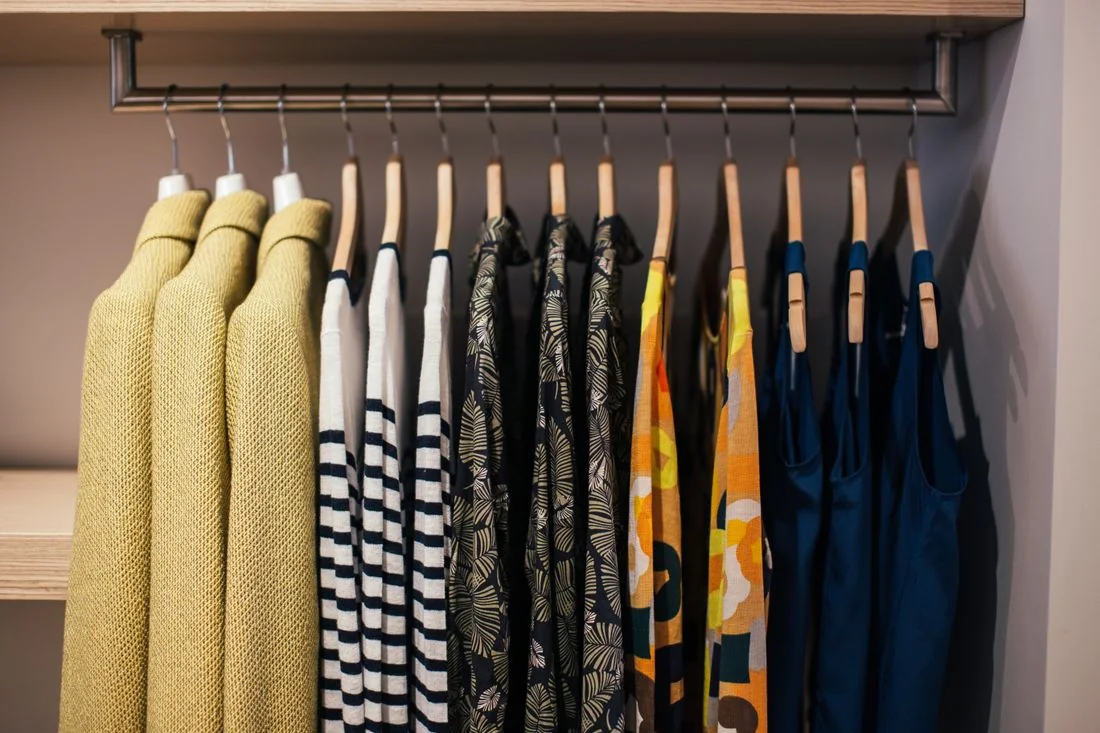
A clothing bundle can look like a ready-made wardrobe when several garments share one rail photograph. The selected offer may be narrower: one piece, a particular set or a choice among items shown together. Before judging the value or usefulness of the bundle, identify the actual unit being sold. A clear count prevents a visually generous image from deciding what you assume will arrive.
Read the quantity in context
Keep the offer's own description of pieces and sets. A two-piece outfit is not the same quantity as two complete outfits, and a photographed rail is not automatically a complete inventory. Do not turn an ambiguous word into a confident count simply because one interpretation looks attractive.
Check the selected option and any stated exclusions. If the page offers individual items as well as a bundle, establish which one is currently chosen. A price attached to a smaller option should not become the imagined price of the whole display.
Identify each included garment
Use the description to distinguish the actual items by type, size and colour where stated. Similar-looking tops can be separate pieces or repeated photographs of one garment. Count physical items, not images, and do not infer an extra piece from another styling view.
If something in the photograph matters but is absent from the description, ask whether it is included. A belt, inner layer or accessory may have been added to demonstrate an outfit. Its visual role does not establish its place in the purchase.
Compare the bundle with real wardrobe roles
Ask which included pieces would actually be used. A bundle is not more useful simply because it contains more garments. Several items solving the same already-covered role can add storage without making dressing easier.
Keep fit and care questions attached to the individual garments. A shared bundle description does not establish that every piece has identical dimensions or composition. Use the actual information available and an appropriate assessment rather than assuming one suitable item makes the whole group suitable.
Read condition item by item
For pre-owned clothing, distinguish the general group image from relevant details of each physical piece. A condition statement for the bundle may need clarification if one garment has a particular disclosed change. Ask about the actual gap rather than requesting a vague promise that everything is perfect.
Do not assume a familiar brand or coordinated colour group proves that every garment began as one original set. Keep the seller's stated identity and history separate from a visual impression of matching pieces.
Keep the comparison complete
Record the exact selected bundle, included count and any unresolved detail. Use the actual transaction information for that offer rather than importing assumptions from another seller. A clear bundle decision starts with identifiable garments and real uses, leaving the styled rail as a helpful overview instead of a substitute for the inventory that determines what is actually being purchased.
Related reading
Before You Buy: A Wardrobe Shopping Plan, Use the Ends of a Clothing Rail without Hiding Pieces.
Published and last updated October 1, 2021. Send an editorial correction.