Shopping note: We discuss what to look for, rather than claim hands-on testing. Current shopping links are ordinary retailer links. Affiliate disclosure.
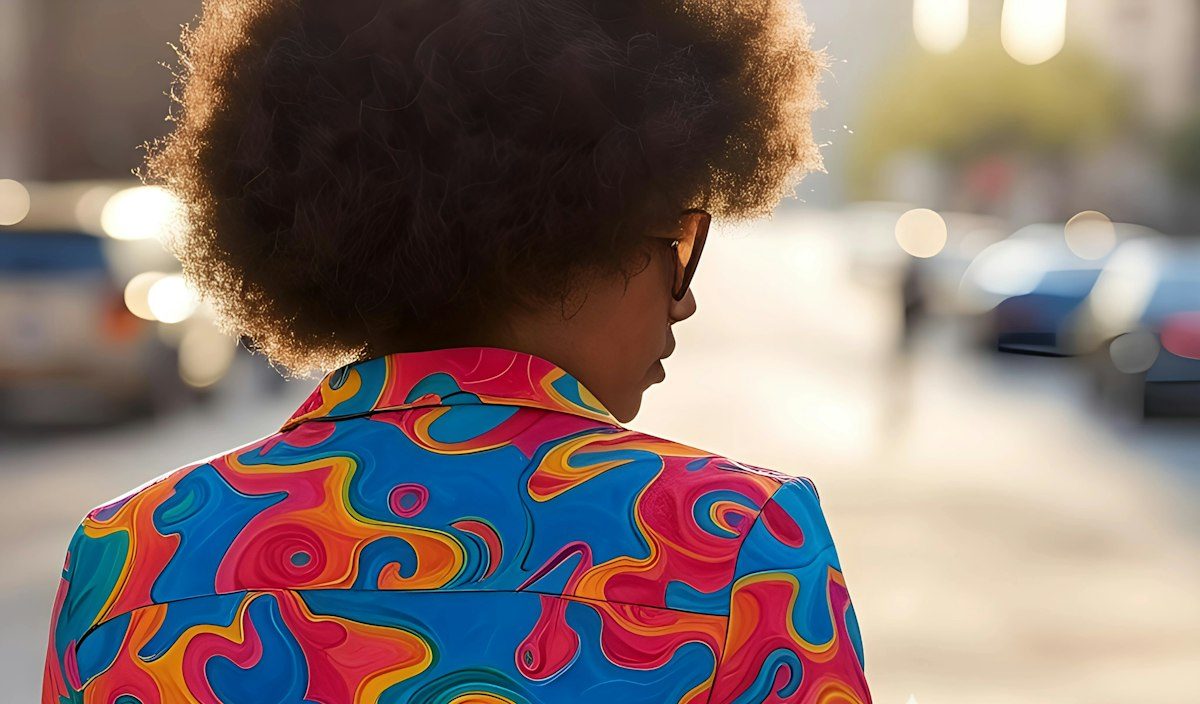
A printed shirt is seen from more than the front. Its back panel can carry a broad uninterrupted pattern, a different placement or details that never appear in the main product photograph. Including that rear view makes the decision more complete, particularly when a lively print is the garment's main appeal. The aim is to see the whole shirt, rather than to demand identical pattern placement across every manufactured example.
Find the selected product's back view
Look for a direct rear photograph that belongs to the actual version under consideration. A different colour or another shirt from the same collection may suggest a general shape, but it should not establish the selected item's print arrangement.
Read the visible back details without guessing what is hidden. A collar, yoke, pleat or other feature should be identified only where the image or product information supports it. Keep a question open if the relevant area is covered by hair or a bag.
Compare pattern at two distances
Look first at the overall impression of the back. Broad bright shapes can create a different effect from the smaller areas visible around the front opening. Then look more closely at the actual printed marks that matter to the choice.
Avoid interpreting a model photograph as a guarantee of identical placement on every individual garment. If a specific motif or its position is essential, ask about the actual item and offer rather than assuming the stock image settles that question.
Include the shirt's ordinary silhouette
Consider the lower garment already intended for it. A loose shirt over narrow trousers and the same shirt tucked into a wider shape present different amounts of visible print. Keep the back view connected to the actual wearing arrangement.
If using an owned shirt, take a comfortable direct reference with help where available. A twisted mirror pose can make the garment look tighter or shorter than it does in ordinary wear. The useful image should explain the clothes, not the effort of photographing them.
Check what covers the print
Add the usual jacket or bag if those pieces belong to the day. A shoulder strap can divide a large pattern, while outerwear may conceal most of it. Neither is inherently a problem, but each changes the role the printed shirt has in the outfit.
Decide whether the print remains appealing in the views that actually occur. It does not need equal prominence from every angle to be useful.
Keep any reference with the shirt's identity and intended partners. The rear view can confirm that a garment feels coherent as a whole, or reveal a question worth resolving before purchase. Either outcome is more informative than allowing one carefully chosen front image to stand in for the entire shirt.
Related reading
Choose a Striped Top by Pattern Scale and the Outfits Around It, Before You Buy: A Wardrobe Shopping Plan.
Published and last updated May 12, 2022. Send an editorial correction.